

Bougainvillea spills over compound walls. Amaltas trees burst into yellow along avenues that only weeks ago carried winter haze. Before the first rain falls, the air changes. Dust lifts, and the smell of wet earth travels ahead of the monsoon. India in summer is intense, fragrant, and deeply atmospheric. Yet it is also the season most misunderstood in global travel planning.
For many international travellers, the April to September calendar is dismissed quickly as “too hot” or “too wet.” But during this period, India does not behave as a single climate, it behaves as a complete geography. And once you begin to read the country that way, summer reveals itself as one of the most intelligent seasons to travel.
The weather of the Trans-Himalayan regions like Ladakh, Himachal Pradesh, parts of Sikkim remain crisp and clear while the plains warm below. Rain-shadow deserts across Rajasthan stay remarkably dry even as monsoon clouds move along the Western Ghats. In Kerala, forests deepen into lush green landscapes, while Ayurvedic physicians traditionally consider the monsoon months ideal for restorative therapies. Wildlife sightings intensify during the final dry weeks before national parks close for regeneration. Meanwhile, many festivals unfold in quieter domestic settings across towns and villages, offering visitors a closer view of everyday India than the more theatrical winter calendar.
The question, therefore, is not whether summer works in India. The real question is whether the journey has been designed intelligently enough to work with the season.
From “Why Summer?” to “Why Wait for Winter?”
This particular calendar of Indian topography reads best when you treat it as a map of microclimates and cultural rhythms, because the country behaves like several seasons at once: cool altitude belts in the Himalayas and the Nilgiris, rain polished greens along the Western Ghats, dry drama across the Thar and Kutch, and a festival calendar that brings you closer to everyday India in ways peak months often dilute through sheer volume.
Below are the advantages that design thinkers of the travel industry can increasingly build into summer itineraries, with practical insight for anyone drawn to India’s more curious, less crowded chapters.
1. Ease, Choice, and the Luxury of Time
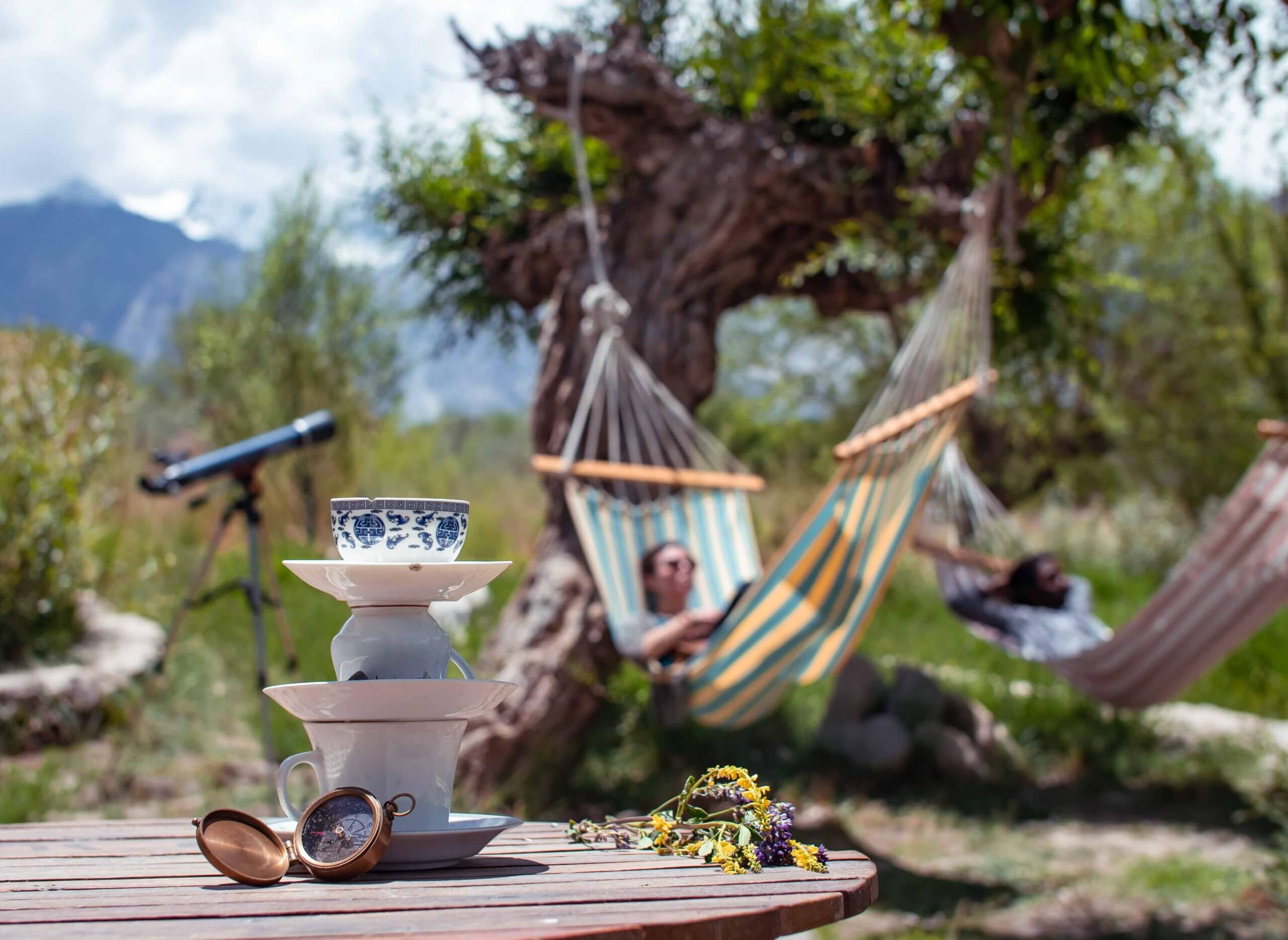
During India’s peak winter season, travel often moves quickly. Hotels fill months in advance. Dining reservations require careful coordination. Itineraries must be locked early. Summer changes that tempo. Availability improves across many of the country’s most desirable hotels and heritage properties. Guests can choose rooms based on light, view, or layout rather than simply accepting what remains. Dining times become flexible. Spa appointments are easier to secure. Guides and drivers can adapt more comfortably to changing plans. These small freedoms often shape the quality of a journey.
They allow travellers to slow down in places like Udaipur when lakes refill after early rains, spend an unhurried evening in a desert camp outside Jaisalmer, or simply enjoy long mornings overlooking tea estates in Munnar or Coorg.
In summer, luxury often reveals itself through something simple: time.
2. From a Photographer’s lense
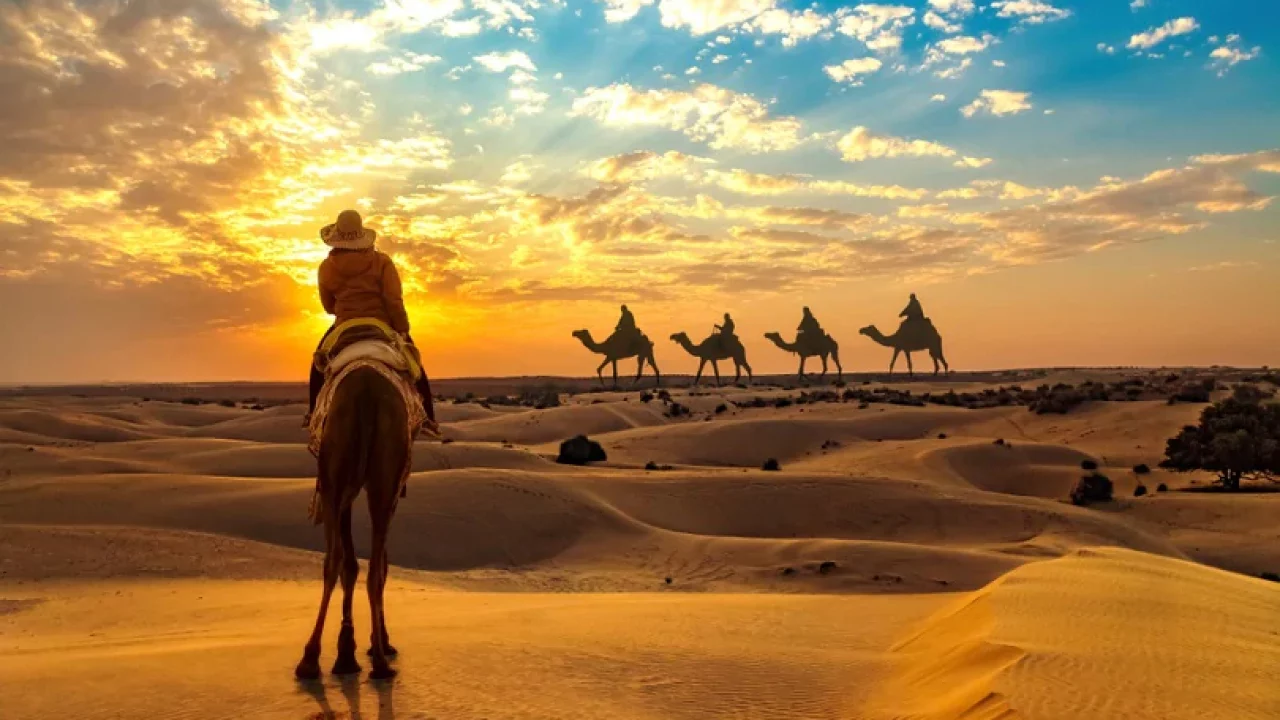
India’s atmosphere transforms with the rains. As dust settles, and colours intensify, the architectural lines sharpen. Across Rajasthan’s forts, sandstone glows against open skies. In the Himalayan regions of Ladakh or Spiti, high altitude light carries a clarity that feels almost sculptural. In the south, mist drifts across tea estates in Munnar and the Nilgiris, diffusing the landscape into soft tonal gradients.
For the traveller attentive to aesthetics and a passion for photography, this season shifts the visual register of India. Temples in Tamil Nadu feel cooler and more defined in the early morning light. The ruins of Hampi rise dramatically from rain-refreshed boulder fields.
3. Heritage with Breathing Space
Fewer crowds do something subtle to historic India, they restore proportion and silence, and they give you time to see detail instead of managing logistics. That shift plays out not only at marquee monuments, but across sites that reward attention, such as the temple towns of Tamil Nadu where stone corridors feel cooler and more meditative, the ruins of Hampi where the landscape opens into a sculptural horizon after the rains, the river ghats of Varanasi where mornings feel intimate and unhurried, or the forts of Rajasthan where you can linger with a historian guide and follow the story through frescoes, water systems, and hidden chambers without the constant compression of peak season movement.
For travellers who care about context, summer can turn “seeing” into “understanding,” simply because the day has room to breathe.
4. Hotels at a Different Tempo
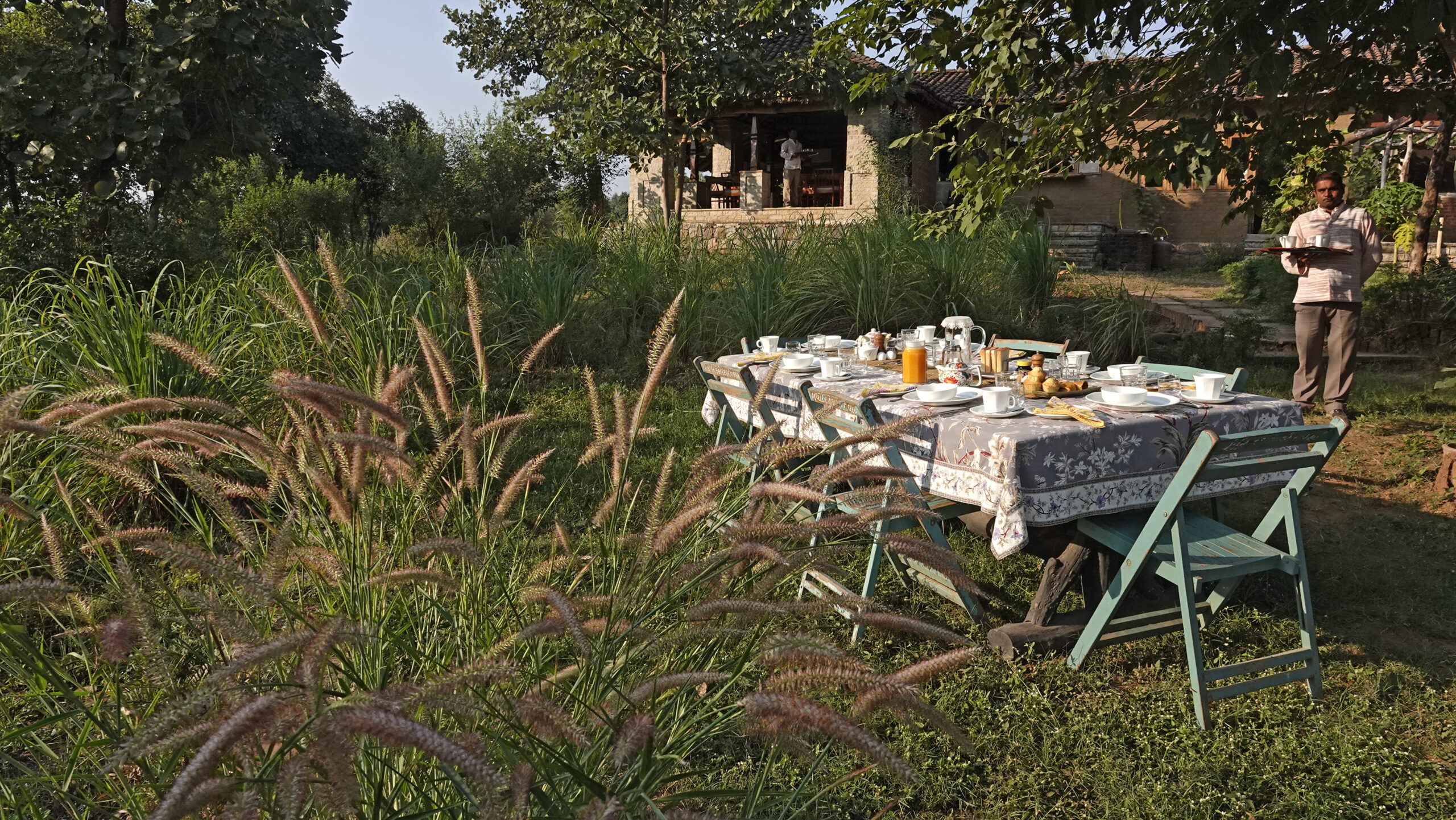
In many city hotels, palace properties, and heritage retreats, summer occupancy patterns create a calmer operational tempo, and that calm often translates into the kind of service that feels almost invisible: staff have more time, the kitchen can lean into custom requests, spa teams can accommodate you around a late breakfast or a long evening, and the property’s shared spaces feel genuinely restful. If you’ve ever loved a hotel for its sense of ease, summer is the season when that ease becomes more consistent, whether you’re living slowly in a colonial bungalow in the hills, checking into a heritage haveli in Rajasthan, or taking a wellness stay in Kerala where the weather supports longer therapies and deeper rest.
Summer also brings a practical advantage, as many leading properties offer more favourable seasonal rates and value-added inclusions, allowing travellers to experience exceptional hotels with stronger overall value.
5. A Seasonal Pause in Large Wedding Takeovers
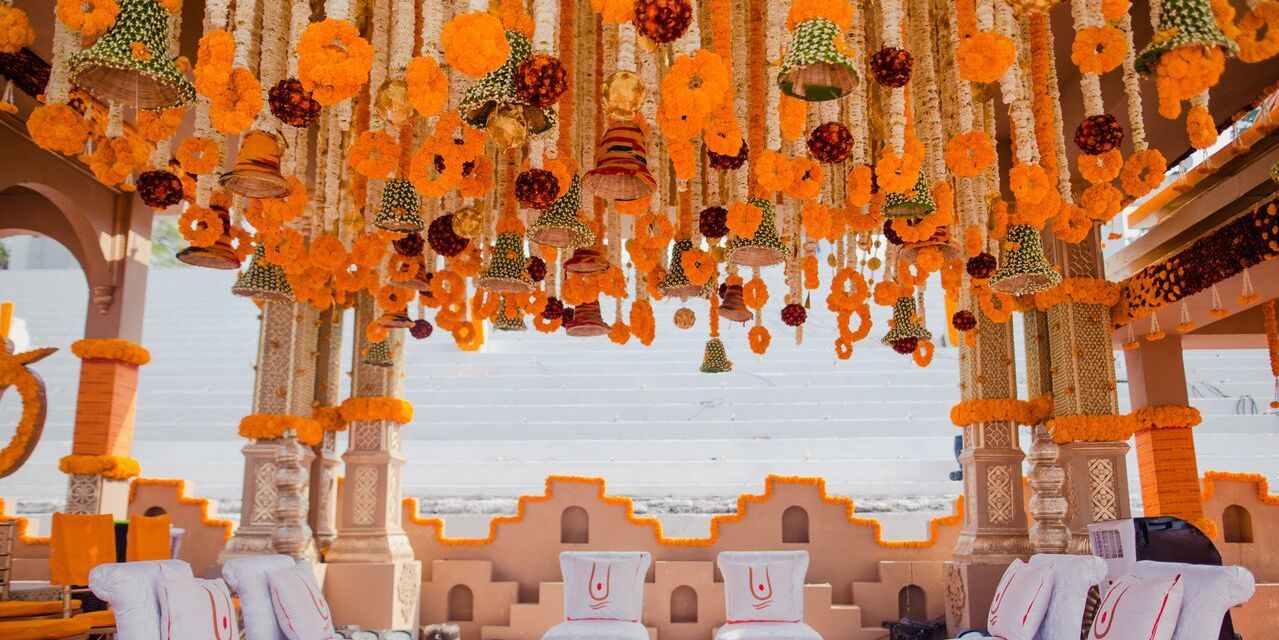
India’s winter calendar carries a high volume of large celebrations and destination weddings, especially across palace venues and heritage properties, which can affect space, dining, and the overall soundscape even when you are not part of the event. Summer typically softens that pressure, and travellers who prioritise quiet mornings, uninterrupted healing time, and public spaces that feel serene often find the experience more predictable and more private during this period.
6. Monsoon Landscapes, and the Afterglow of Green
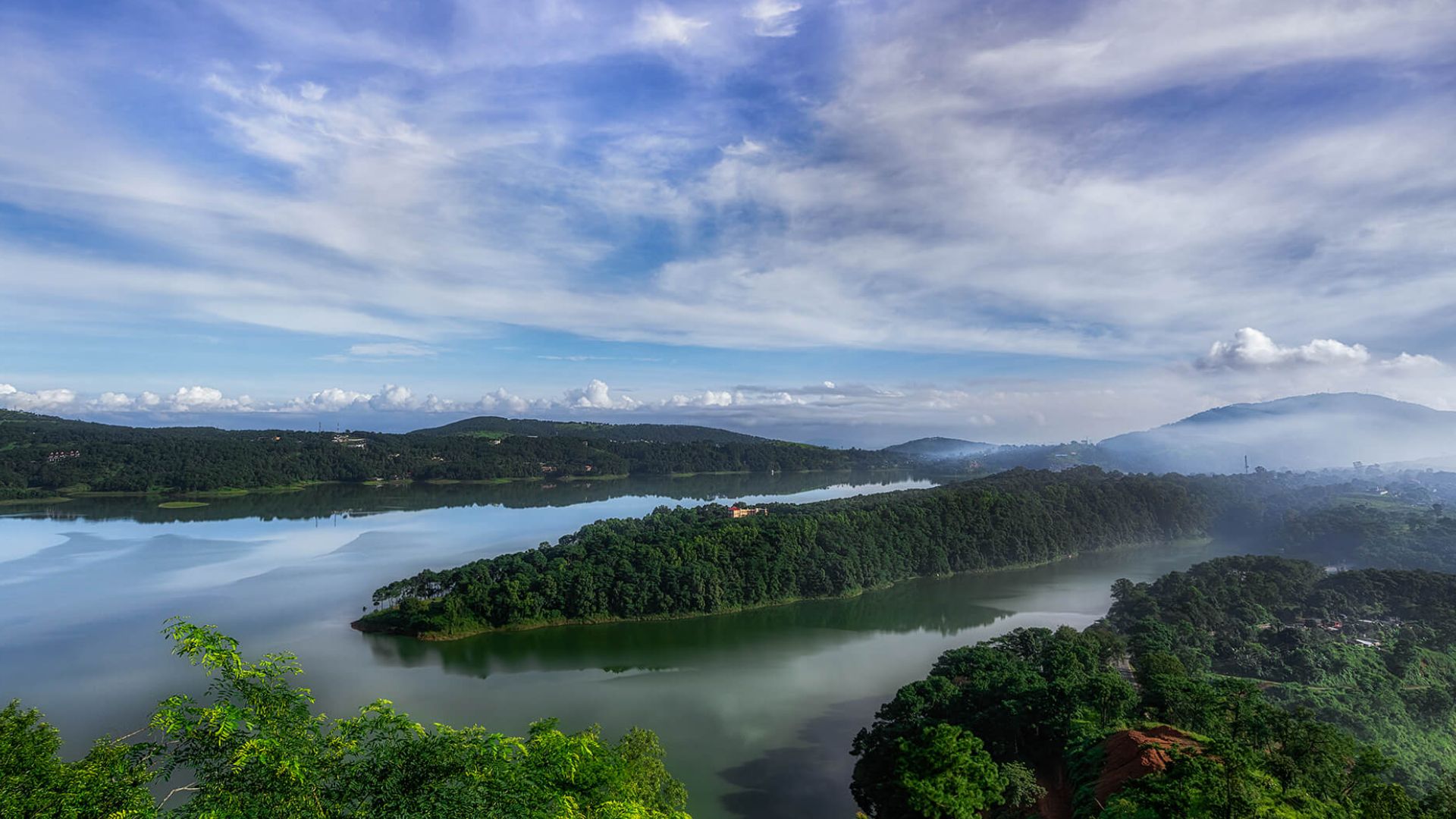
When the rains arrive, India transforms in ways that feel almost cinematic: the Western Ghats swell into vivid greens, waterfalls surge, mist settles over coffee and tea estates, and lakes and reservoirs refill, changing the emotional tone of whole regions. In Karnataka, Hampi emerges as an unexpected monsoon masterpiece, its vast boulder-strewn landscape softened by fresh grass, the Tungabhadra River running fuller beside temple ruins and stone mandapas that seem to rise from a rain-washed earth, creating a rare interplay between epic history and renewed nature. Maharashtra’s monsoon drives into Lonavala or Mahabaleshwar deliver dramatic cloud-wrapped viewpoints, and Goa’s hinterlands come alive around monsoon-fed waterfalls like Dudhsagar.
7. Festivals Rooted in Everyday Life
April to September holds a festival rhythm that often feels more intimate because so much of it takes place inside homes, neighbourhood temples, community streets, and monastery courtyards. Raksha Bandhan, Janmashtami, regional New Year celebrations, and Onam in Kerala bring a more intimate window into everyday cultural life. The Onam season also introduces the dramatic Vallamkali snake boat races, where long wooden boats move in perfect rhythm across the backwaters. Know more about India’s lesser known festive arc.
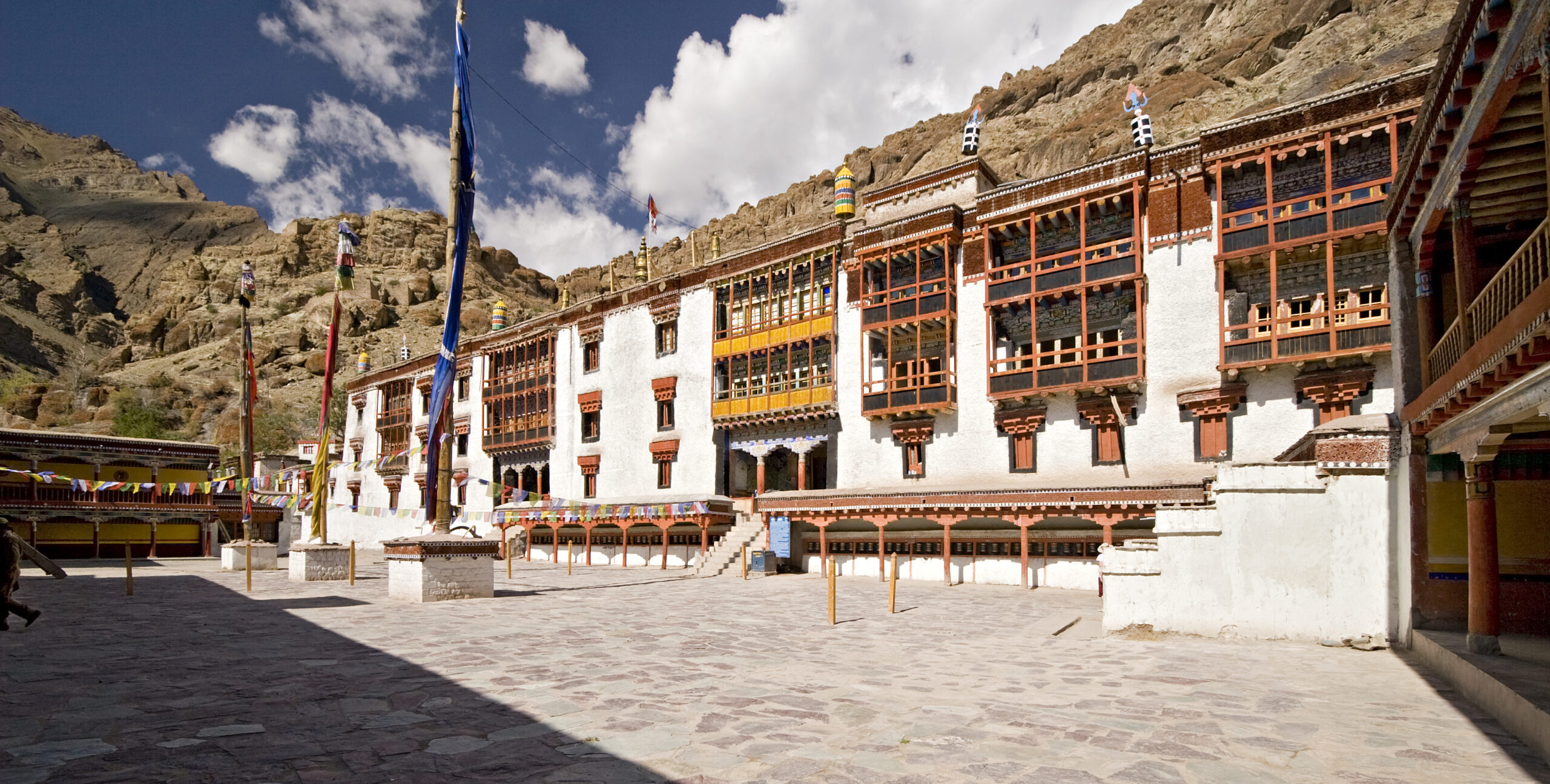
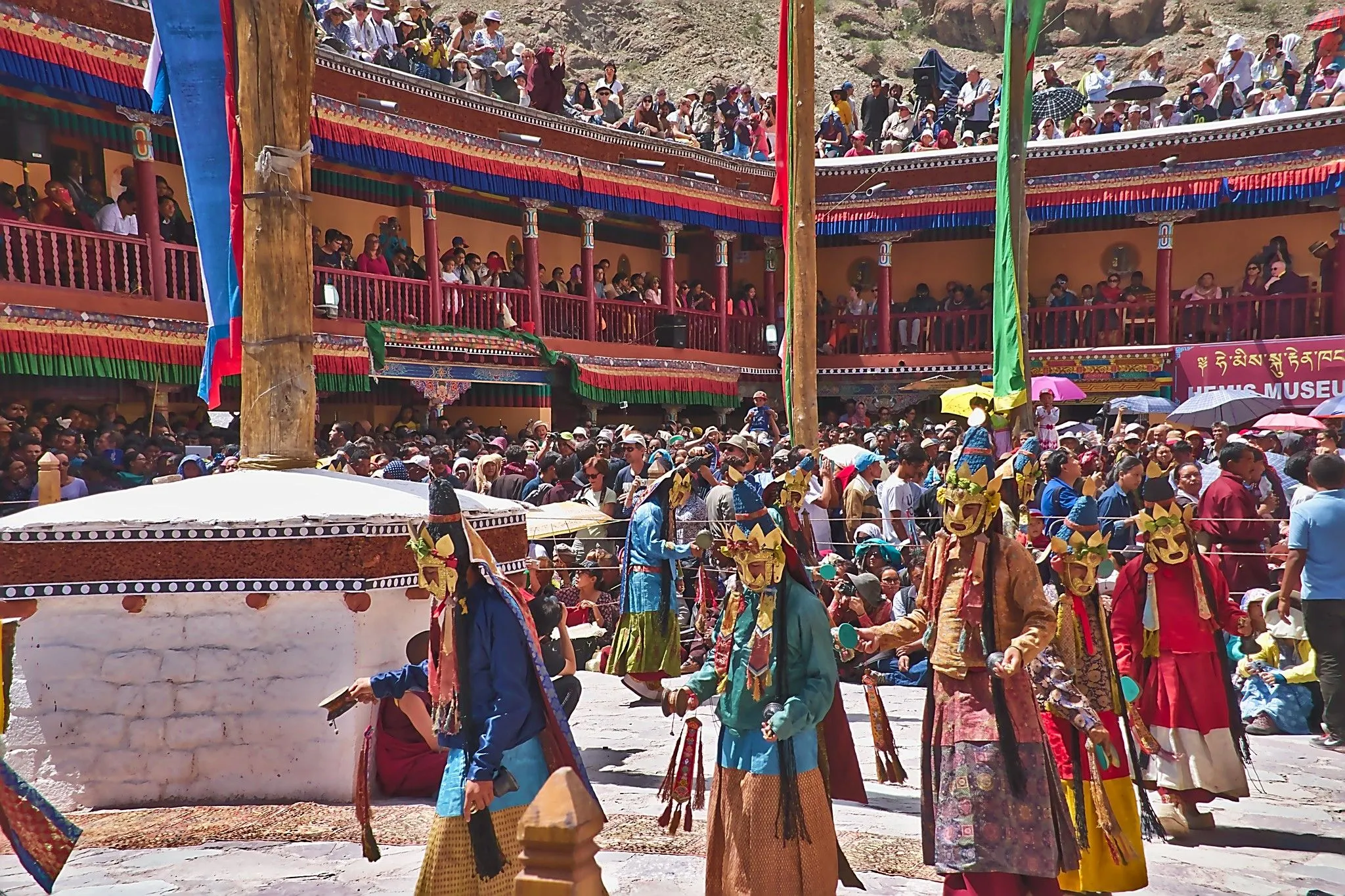
Further north, summer opens the high altitude cultural season in Ladakh, where monasteries come alive between June and September with vibrant, culture-rich celebrations. Masked Cham dances reveal themselves in monastery courtyards, monks move in rhythmic procession to traditional music, and vivid silk costumes animate stark Himalayan backdrops. Festivals such as Hemis, Sindhu Darshan, Phyang Tsedup, and the annual Ladakh Festival mark moments of spiritual renewal, harvest gratitude, and the symbolic triumph of good over evil.
Witnessing these moments during summer travel allows visitors to encounter India’s festive traditions in settings that feel authentic, and deeply connected to local communities.
8. Wildlife at Its Most Focused
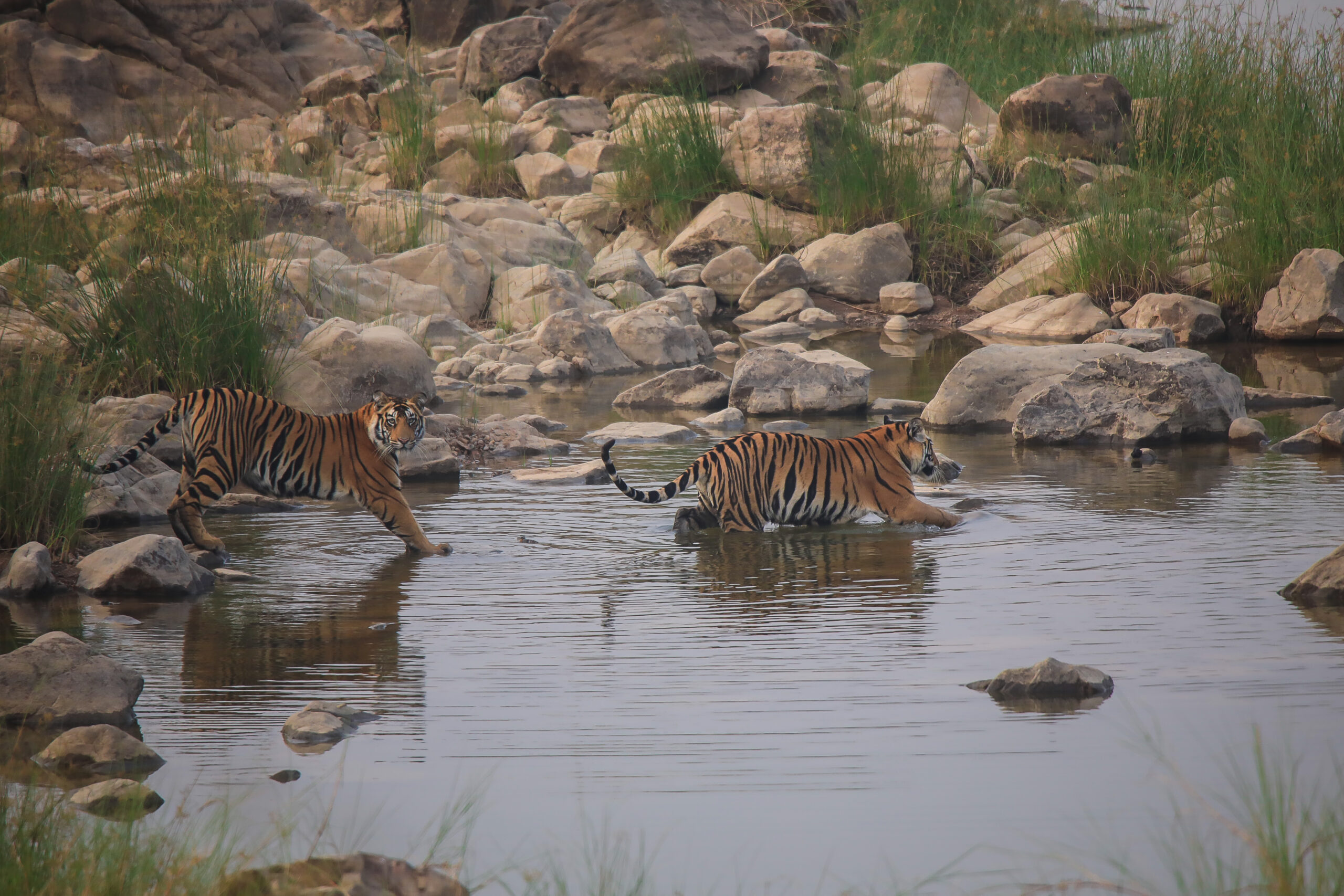
For safari travellers, April and May can deliver intense wildlife viewing as water sources shrink and animal movement concentrates, especially in central Indian reserves. At the same time, the broader summer window also opens opportunities in a very different landscape. In Ladakh, July through September marks the season when Himalayan brown bears emerge from hibernation and become active across high-altitude valleys, while early spring, particularly April can still offer a final chance to glimpse the elusive snow leopard before it retreats to higher elevations for the warmer months. Together, these seasonal shifts reveal how India’s wildlife experiences evolve dramatically across regions through the summer months.
9. A Season that Rewards Thoughtful Route Design
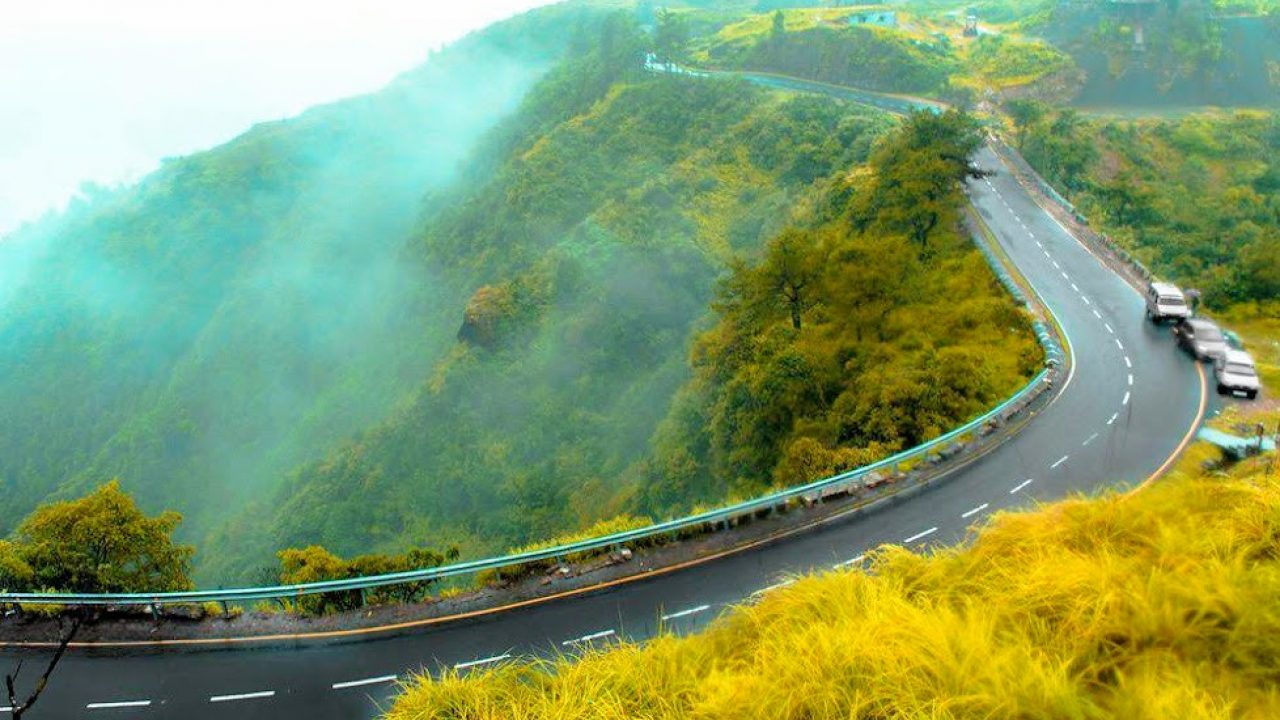
This period responds beautifully to travellers who enjoy journeys with shape: beginning in cool altitudes in the Himalayas, moving into desert regions that stay dry through rain-shadow logic, and ending in post-monsoon greens along the Ghats or backwaters where the landscape looks newly awakened. When you plan with microclimates, the trip feels effortless and surprisingly varied, and India reveals itself as a country of shifting worlds stitched together by story, food, ritual, and light.
Where Curation Becomes Essential
India in summer opens remarkable possibilities, however, the ability of thoughtful judgment shapes the difference between a good journey and a transformative one. Climate patterns, regional rhythms, and operational nuances require experiences that belong to the season rather than compete with it. Thoughtful curation narrows the focus to journeys that align with altitude, monsoon cycles, craft traditions, and cultural timing. What follows is a selection of experiences designed precisely for this window – immersive, place-rooted, and seasonally intelligent. Below are 7 such experiences, recommended by Travel Scope that can be created as a cohesive standalone journey or as part of a multi-region itinerary.
The Trans-Himalayan Explorations
1. Caravans of Nubra – A Living Silk Route Journey (Ladakh)
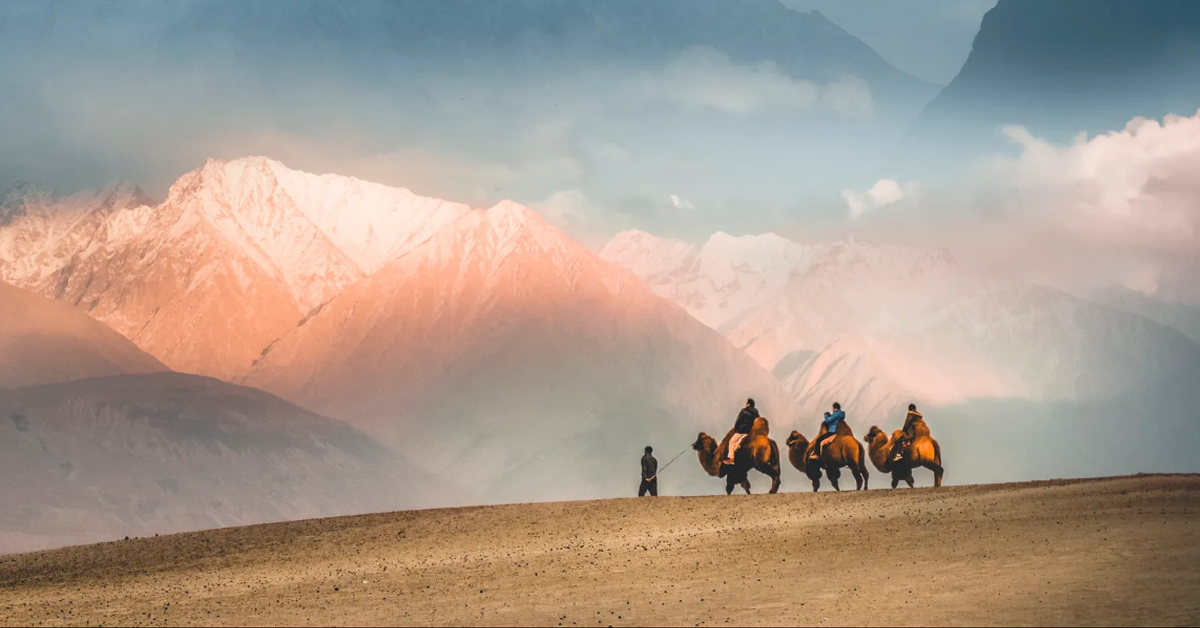
This private slow expedition retraces an ancient trade corridor that once linked Central Asia to the Himalayas, now reimagined as a regenerative luxury experience shaped by narrative and landscape. Guests move as caravans once did, crossing high-altitude passes alongside camels, pausing at Ensa Monastery for blessings, and following historic trails over Tirisha La. Evenings open up in remote Himalayan villages where elegant tented halts echo centuries-old stopovers beneath vast starlit skies.
The journey weaves encounters with Silk Route custodians, Onpo astrologers, monks, and village elders into its fabric, grounding the experience in living heritage rather than reenactment. Culinary storytelling forms a central thread, with chef-curated Central Asian and Ladakhi cuisine served in ancestral Yarkhandi homes and village courtyards, culminating in a private Silk Route Dinner set high on Nubra’s dunes. Engagement with women’s alliances and traditional Amchi healing practices deepens the cultural continuity embedded within the route.
At its core, this expedition carries a regenerative ethos, directly supporting local communities while delivering seamless logistical precision and thoughtful comfort. It is not a sightseeing itinerary. It is a chapter of history lived slowly and with intent.
Who is this Experience for?
Couples, solo travellers, small private groups, returning travellers to India
What is the Travel intent?
Cultural immersion, high-altitude exploration, Silk Route heritage storytelling, slow expedition travel
2. Curated Dining at Tsamkhang (Leh, Ladakh)
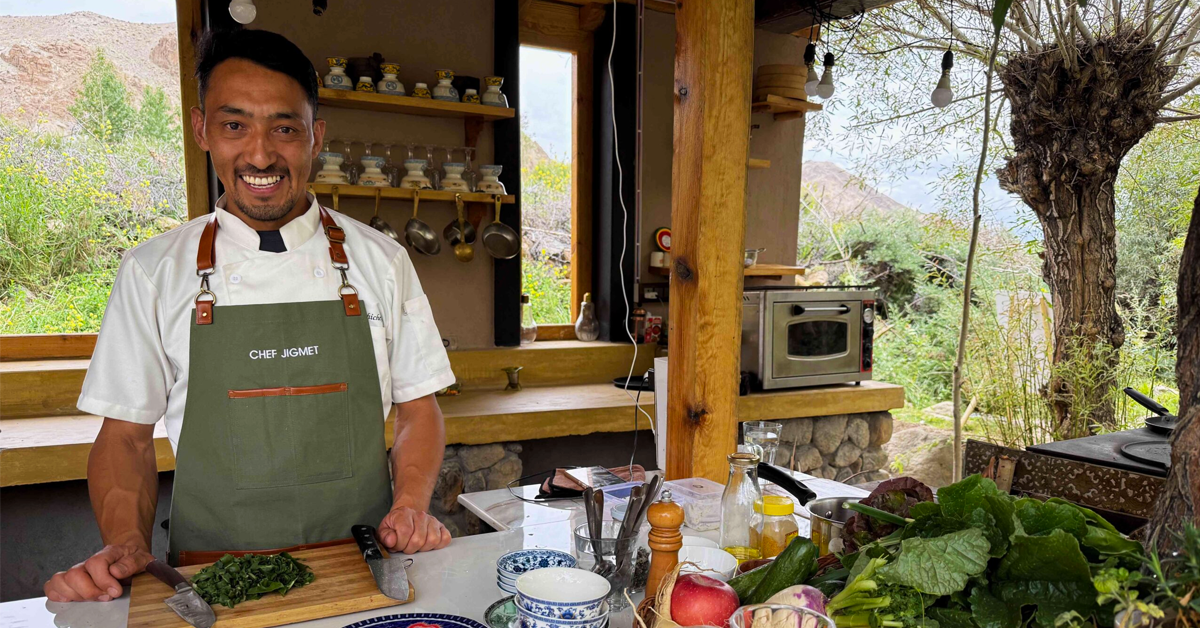
Tsamkhang offers an intimate, reservation-led culinary experience that draws from Ladakh’s mountain produce, monastic influences, and Silk Route histories. Within a heritage-inspired setting, multi-course tasting menus unfold with narrative context, weaving regional ingredients into refined interpretations that honour tradition without theatrical excess.
Summer’s calmer travel rhythm allows this experience to breathe. Conversations deepen. Service feels measured. The setting encourages reflection, making the meal as much about cultural dialogue as gastronomy.
Explore our Ladakh: of Stone and Silence itinerary.
Who is this Experience for?
Couples, families, solo travellers, small private groups
What is the Travel intent?
Culinary discovery, cultural storytelling through food, intimate dining experiences
3. Pashmina Provenance & Artisan Lunch (Ladakh)
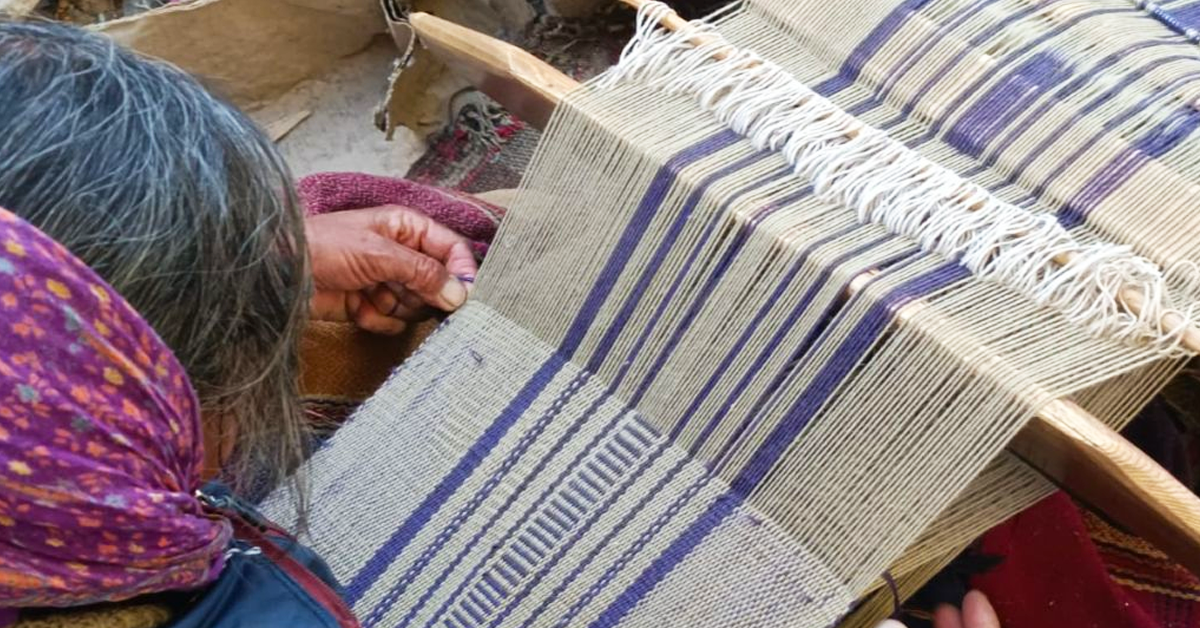
Beyond its dramatic terrain, Ladakh’s summer offers access to one of the Himalayas’ most revered textile traditions: pashmina. The fibre begins high on the Changthang plateau, where Changpa nomadic herders gently comb the fine undercoat of the Changra goat each spring. From there, the raw wool passes through careful sorting, hand-spinning on traditional drop spindles, and weaving on wooden looms in homes and small ateliers across Leh and nearby villages.
A curated visit traces this full journey from plateau to loom, introducing travellers to the ecological realities of high-altitude herding, the labour-intensive process of spinning and weaving, and the distinction between authentic Ladakhi pashmina and mass-market imitations. Conversations with artisans reveal how climate, migration, and generational skill shape every finished piece. The experience often concludes with a simple hosted lunch in a local home or workshop setting, where discussion moves naturally between food, fibre, and livelihood, turning acquisition into understanding.
Explore our Ladakh of Stone and Silence itinerary.
Who is this Experience for?
Solo travellers, returning travellers to India, small private groups
What is the Travel intent?
Craft engagement, textile heritage discovery, cultural exchange, ethical sourcing awareness
4. Slow Living at Mharo Khet (Rajasthan)
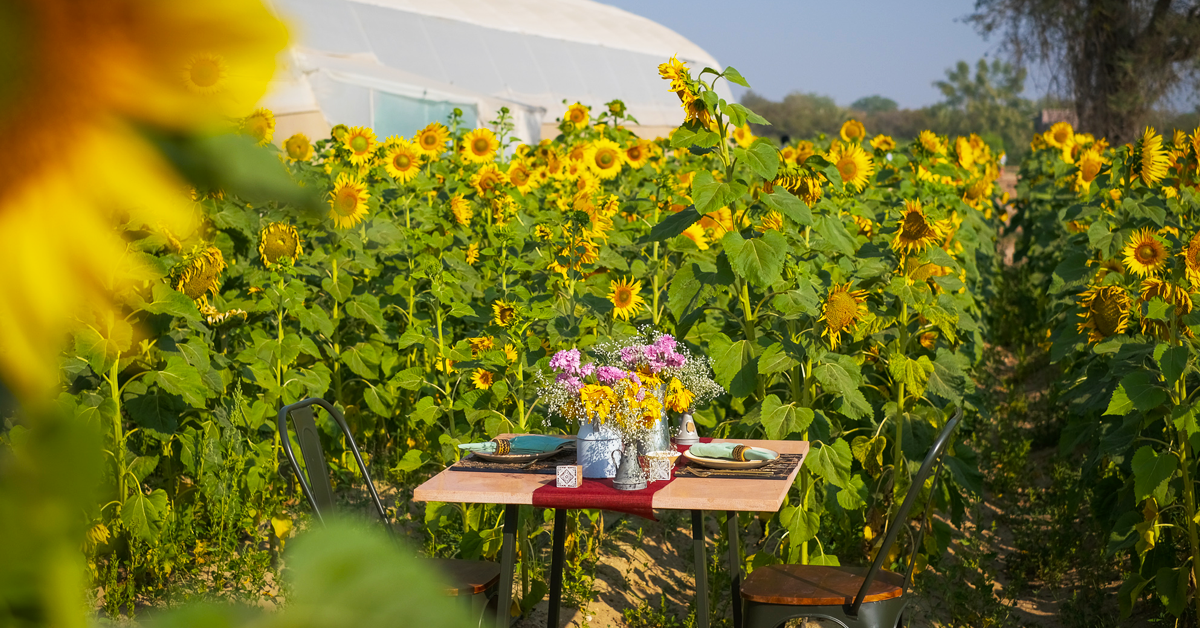
Mharo Khet feels less like a conventional retreat and more like time spent within a working farm in rural Rajasthan, where daily life follows the cycles of soil, water, and season. The land is cultivated using natural, chemical-free farming methods shaped by desert ecology and limited rainfall, and much of what reaches the table comes directly from the surrounding fields. Immersion begins outdoors, with the saajhi partners guiding guests through sustainable farming practices, traditional pest control techniques, and fertigation methods, while openly discussing the realities and challenges of growing food responsibly in arid terrain. During these walks, guests often harvest seasonal fruits or vegetables themselves, reinforcing the direct connection between land and plate.
The experience remains hands-on throughout the stay. Guests may join Tibetan singing bowl sound healing sessions in the fields, take yoga classes, or learn charpoy weaving under the guidance of a local artisan, crafting a functional piece using time-honoured techniques. Food anchors the narrative, with onsite produce shaping a plant-forward nine-course menu at Paeru, alongside cooking sessions that begin with harvesting ingredients and conclude at the stove. Seasonal private dining settings among chamomile fields, sunflowers, Rohida blossoms, or moringa trees bring the farm’s landscape into the culinary experience.
For guests who wish to explore beyond the farm without losing the slower tempo, curated excursions include a curator-led evening at Mehrangarh Museum with dinner, an Osian dunes sundowner barbecue, and a cultural day combining Rabari markets, Pipar block printing, stepwells, and lunch at Sathin Garh.
Who is this Experience for?
Couples, families, multi-generational travellers, small groups of friends
What is the Travel intent?
Slow travel, rural immersion, farm-to-table experiences, mindful living
5. Monsoon Aligned Ayurveda Immersion (Kerala)

Kerala’s monsoon season, typically spanning June through September, occupies a distinctive place within classical Ayurvedic practice. Traditional Ayurvedic physicians in the state often describe this period as particularly conducive to purification and rejuvenation therapies, as the cooler climate and atmospheric humidity are believed to open the body’s pores and enhance receptivity to medicated oils and herbal formulations. While Ayurveda functions within its own medical philosophy, Kerala’s long lineage of Ashtavaidya Tradition ,and institutionalized treatment centres has reinforced the idea that monsoon offers optimal conditions for structured programmes such as Panchakarma.
In practice, a monsoon-aligned Ayurveda immersion is not a casual spa stay. It begins with a detailed consultation conducted by a qualified Vaidya who assesses constitution, imbalance, and treatment goals. From there, a carefully sequenced regimen unfolds: abhyanga oil therapies, swedana steam treatments, shirodhara, internal herbal formulations, dietary regulation, and in some cases deeper cleansing protocols depending on medical suitability. The programme typically spans seven to twenty-one days, with a twenty-one day stay often considered ideal, as each therapy is designed to build progressively on the previous one rather than function as an isolated treatment.
Kerala’s long-standing Ayurveda infrastructure stands from heritage centres in Kovalam and Kumarakom to riverside retreats along the backwaters allowing travellers to combine clinical authenticity with refined hospitality. The key lies in selecting properties that maintain licensed medical supervision rather than purely cosmetic wellness positioning.
A few retreats we often recommend for medically guided Ayurveda programmes include CGH Kalari Kovilakom, CGH Marari Beach Resort, and Nattika Beach Resort.
Who is this Experience for?
Solo travellers, couples, wellness seekers, professionals seeking reset
What is the Travel intent?
Wellness and rejuvenation, Ayurvedic healing, longevity practices, mindful retreat
6. Monsoon Hampi: Ruins and Renewal (Karnataka)
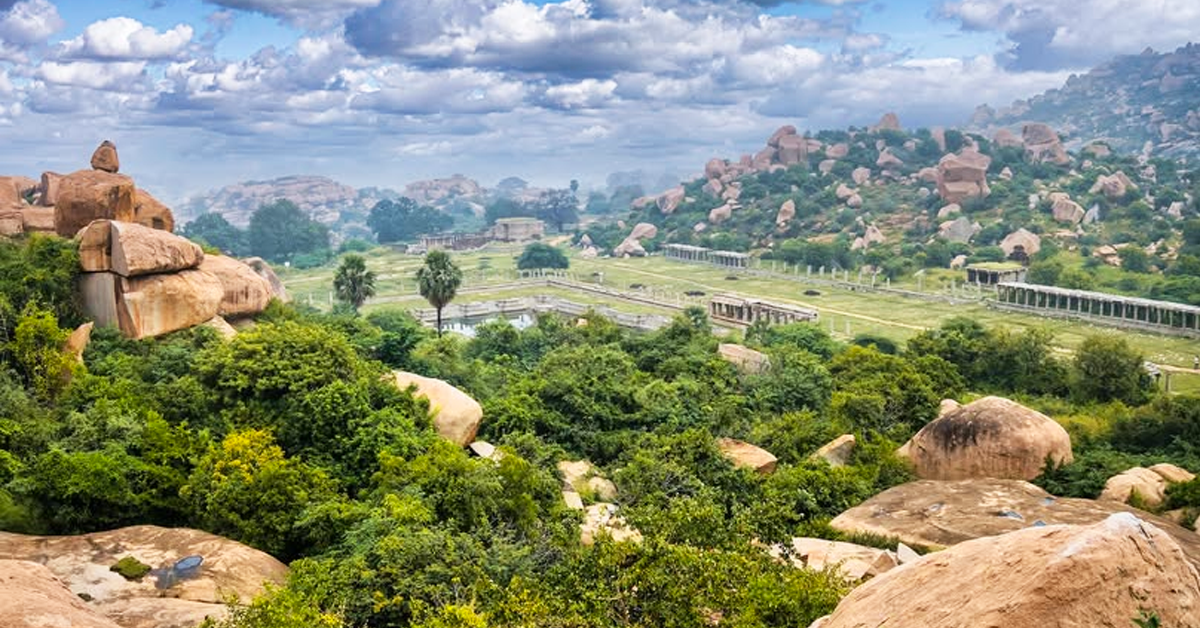
Hampi’s landscape shifts profoundly with the rains. The dramatic granite boulders and temple complexes of the former Vijayanagara capital sit within a terrain that can feel stark in peak summer heat, yet monsoon introduces softness without erasing grandeur. Grasses return between stone platforms. The Tungabhadra River flows fuller around coracle crossings and ghat steps. Cloud cover diffuses light across carved pillars and gopurams, revealing sculptural details that midday glare can obscure.
The site’s UNESCO World Heritage status rests not only on architectural scale but on urban planning, irrigation systems, and sacred geography. Monsoon subtly reactivates that ecological dimension. Water channels and stepped tanks appear more integrated within the terrain. Agricultural patches around the ruins turn green. The balance between civilisation and landscape becomes easier to read.
Exploration during this period benefits from intelligent pacing. Early mornings and late afternoons offer comfortable temperatures and dramatic skies. Midday pauses within shaded mandapas or boutique heritage stays allow time for reflection and contextual discussion with expert guides. Footwear and route planning matter, as stone surfaces can become slick after rainfall. However, the interplay between ancient empire and monsoon renewal creates a narrative of impermanence and regeneration that feels deeply aligned with India’s seasonal philosophy.
Explore our Karnataka Connect itinerary.
Who is this Experience for?
Families, returning travellers to India, photographers, and culturally curious explorers with an interest in architecture, archaeology, and geology
What is the Travel intent?
Heritage exploration, landscape immersion, architectural discovery, slow cultural travel
7. Desert Frescoes and Merchant Mansions (Shekhawati, Western Rajasthan)
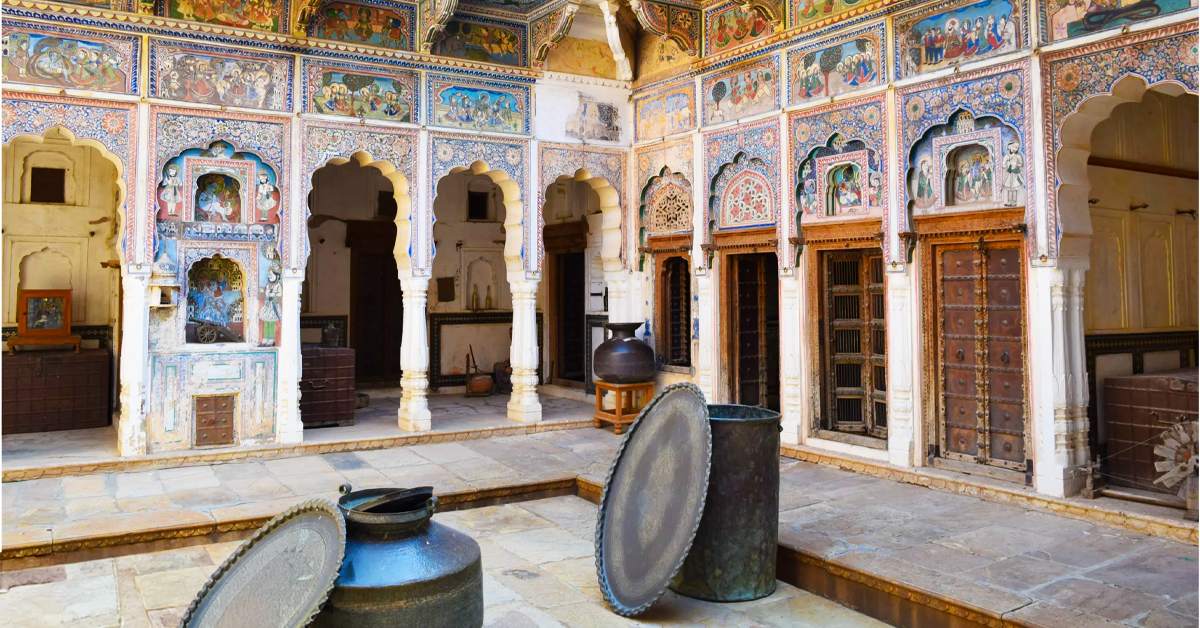
Beyond Rajasthan’s dunes and fort cities lies Shekhawati, a semi-arid belt encompassing Mandawa, Nawalgarh, Dundlod, and Fatehpur, widely regarded as one of the world’s largest open-air fresco galleries. Between the 18th and early 20th centuries, prosperous Marwari merchant families commissioned ornate havelis along historic trade routes, transforming façades into vivid painted narratives.
The frescoes extend beyond mythological scenes to depict trains, telephones, European figures, and symbols of modernity, revealing the global reach of merchant networks. Walking through Shekhawati feels like entering a living archive of commerce, migration, and artistic ambition.
With comparatively lighter monsoon rainfall than India’s coastal regions and fewer visitors during summer months, the experience gains intimacy. Guided explorations with regional historians decode iconography and merchant genealogies, while select havelis open private courtyards for curated access, often paired with nearby textile and craft encounters. This is Rajasthan through the lens of art, trade, and architectural detail.
Who is this Experience for?
Couples, families, returning travellers to India, art lovers
What is the Travel intent?
Art and architectural exploration, heritage storytelling, regional history immersion
A well-curated season for “Lazy Luxury”
Summer in India works best when you accept that it is not a high-energy season, and once you do, the entire experience begins to make sense. The days are warmer, the afternoons stretch, and the tempo of life adjusts accordingly, which is why this is not the time to attempt five cities in eight days or to move constantly from monument to monument. It is a season that responds well to fewer stops, longer stays, early starts, and generous pauses built into the middle of the day.
Designing journeys for this period requires thoughtful pacing and an understanding of how climate shapes comfort across regions. Routes must follow altitude where necessary, build in rest where heat demands it, and prioritise experiences that feel natural to the season rather than imposed upon it. Travel Scope approaches summer with that mindset, focusing on intelligent sequencing, reliable operations, and experiences that hold up well in warmer months without sacrificing quality.
Travellers who equate luxury with space, privacy, and time to absorb context, summer offers a calmer, more grounded experience of India, one where the country feels less compressed and more accessible. Contact us, if this perspective resonates, we would be glad to shape a journey that reflects it.
FAQ
Q1. When is the best time for luxury summer travel in India?
April–May and September represent India’s most strategic insider seasons for luxury travel. These months appeal to travelers who value experiential depth over peak-season timing. Rising temperatures after winter help disperse atmospheric pollution particles, often revealing clearer skies and noticeably improved air quality across many regions. Whether tracking wildlife in central India, retreating to Himalayan mountain lodges, or exploring cultural cities beneath expansive blue skies, these shoulder-season windows often deliver a richer and more refined journey through India.
Q2. Is India too hot in summer?
Some parts of India do experience strong summer heat, particularly across the northern plains where temperatures can reach 38–45°C (100–113°F) in May, usually in a dry heat. However, Himalayan regions such as Ladakh, Himachal Pradesh, and Uttarakhand remain far cooler at around 15–28°C (59–82°F), while forest reserves average 30–38°C (86–100°F) with dry conditions that improve wildlife sightings. Light monsoon rains typically begin from late June, refreshing landscapes and easing temperatures in several regions. A strategically designed itinerary naturally routes travelers through mountains, forests, and hill regions where the climate remains far more comfortable.
Q3. How far in advance should I book?
2 to 3 months for curated luxury journeys. However, last minute bookings can also be catered with efficiency.
Q4. What is the ideal summer itinerary length?
10 to 14 days allows meaningful and slow regional immersion.
Q5. Is summer suitable for families?
Yes. Hill stations, wildlife reserves, and plantation retreats work exceptionally well for multi-generational travel. However, some popular hill destinations become crowded during Indian school holidays from mid-May to mid-July, so certain locations are best avoided during this period. With thoughtful planning, families can still enjoy quieter regions and well-timed itineraries that balance comfort, nature, and cultural exploration.
