
Key Takeaways
- Artificial intelligence excels at building efficient, confident travel plans, especially in the early stages of discovery.
- Luxury is not defined by speed or structure, but by judgment, pacing, and responsibility.
- AI optimises for what is repeated and visible; human curators design for what is appropriate in the moment.
- The most meaningful luxury decisions are often invisible, involving subtraction rather than accumulation.
- As planning becomes effortless, care, interpretation, and accountability emerge as the true markers of luxury.
1. Introduction: The New Ritual of Travel Planning
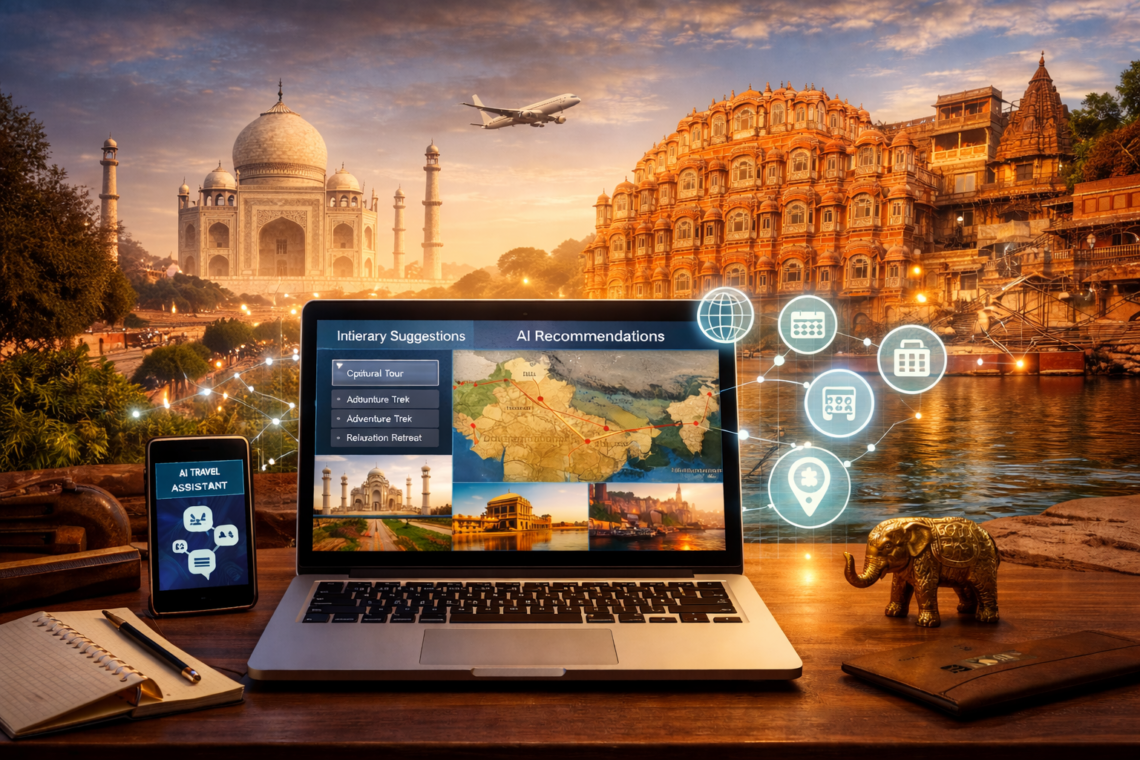
For today’s luxury traveller, the first step of a journey no longer begins with a glossy magazine, a dog-eared guidebook, or even a phone call to a trusted advisor. Increasingly, it begins with a blinking cursor.
A prompt is typed.
“Plan a ten-day luxury trip with culture, wildlife and time to slow down.”
Within seconds, an itinerary appears. It is polished, confident, and neatly sequenced. The cities make sense. The hotels sound reassuringly expensive. The pacing appears thoughtful. It looks, at first glance, indistinguishable from something a seasoned professional might have prepared.
In Varanasi, the AI suggestion is clear and logical: arrive at the ghats early, in time for sunrise. It is the canonical moment, recommended endlessly across articles, reviews, and travel forums. On paper, it is the right answer.
But travel does not unfold on paper.
The guests had arrived late the previous night. The flight delay was minor, but the fatigue was real. The expert advisor, who had designed the journey with intention, knew this was the moment where judgment mattered more than adherence.
Instead of insisting on the perfect sunrise schedule, the guide made a different recommendation. Not to skip the river, but to approach it differently. First, a quiet pause. Tea at a small stall just beyond the main ghats. The city is waking up slowly. Steam rising from cups. The sound of bells carried in the air.
This was not a correction to the plan.
It was an informed deviation.
Human curators who work repeatedly on journeys like these understand something that algorithms do not: how sensory intensity accumulates, how exhaustion dulls perception, how stillness can prepare the mind for meaning. An experienced advisor builds journeys with this flexibility in mind. A seasoned guide knows when to activate it.
When the guests finally reached the river, the ghats felt expansive rather than overwhelming. The moment landed softly. What stayed with them was not the spectacle of sunrise, but the calm that framed it.
No AI would have suggested that pause.
No dataset could have predicted its impact.
And it is here, in these considered, experience-led decisions, that the real conversation about artificial intelligence and luxury travel begins.
2. What AI does exceptionally well (and why it’s tempting)

AI is genuinely strong at the mechanics of planning.
- It sequences cities logically.
- It balances nights and drive times in ways that look thoughtful on paper.
- It surfaces hotels and properties with strong reviews, visibility, and digital authority.
- The itineraries it produces feel complete, confident, persuasive.
For a traveller at the very beginning of the planning process, this competence is seductive.
- It reduces friction.
- It saves time.
- It creates momentum.
If luxury were only about structure and efficiency, the conversation would end here.
But luxury has never been defined by competence alone.
At the heart of Travel Scope’s design thinking in travel is a different belief: value in travel is not created by adding more experiences, but by knowing what truly belongs.
That single idea sits quietly at the centre of this debate.
Not everything that can be added should be included.
3. When plans meet bodies

There is a moment on many journeys when a plan meets the human body. It is rarely dramatic. It shows up as quite fatigued. As sensory overload. As the feeling that something technically correct is no longer emotionally right.
This is where the limits of AI become visible.
The itinerary says to move. Early start. Tight sequence. Another highlight before breakfast. On paper, the pacing is efficient. In reality, the body hesitates.
The guests woke up slower than expected. The previous day had been full. Travel time ran long. Sleep was shallow. None of this appeared in the plan, but all of it shaped the day.
A human guide notices this immediately. Not as a problem to fix, but as a signal to read. The plan does not need to be rewritten. It needs to be interpreted.
The morning is eased open. Not with urgency, but with space. A later start. A quieter approach. Time to sit, to look, to let the place arrive before moving through it.
The experience is not removed. It is reframed.
When the guests finally step into the day, it feels expansive rather than demanding. The moment lands gently. It has room to breathe.
What stays with them is not how much they covered, but how present they felt while doing it.
algorithm would have recommended that adjustment. Not because it is complicated, but because it is not written anywhere. It lives in judgement, not data.
4. Optimisation versus attention

The same tension emerges clearly in wildlife travel.
AI optimises for probability. Early morning safaris. Back-to-back drives. Maximise chances.
On paper, this logic is sound.
In practice, attention does not behave like probability. Fatigue dulls perception. Repetition flattens wonder. A second early morning does not double the experience. It often diminishes it.
Human curators understand this instinctively. They protect not just sightings, but attention.
Reducing a safari is not indulgence. It is precision. Leaving a morning open for rest, for quiet observation, for letting anticipation rebuild often transforms the experience that follows.
The afternoon drive taken with presence becomes the one that lingers.
Luxury here is not about doing more. It is about feeling more.
5. Sameness disguised as sophistication

Generative AI is trained on the internet’s loudest signals. Reviews. Rankings. Frequently repeated itineraries. Widely photographed experiences.
Over time, this creates convergence.
Different prompts produce variations of the same journey. The same destinations recur. The same hotels dominate. The same experiences are framed as essential.
The language changes. The structure shifts. The imagination remains largely unchanged.
This is not a technological failure. It is a design outcome.
But luxury has never been about consensus. It has always been about discernment.
The most meaningful journeys often sit just outside the obvious. They require someone to choose not what is most visible, but what is most appropriate. For this traveller. At this moment. In this landscape.
That choice does not come from pattern recognition. It comes from experience.
6. Beyond the list: Travel Scope in practice

If one wants to understand what luxury beyond the list looks like, there is no need for hypotheticals. Travel Scope’s own body of work offers clear examples.
Take Rajasthan. AI can recommend Jodhpur easily. What it cannot decide is how you enter Jodhpur.
Travel Scope’s Blue City Indigenous Art Trail is not a generic old town walk. It is shaped around living artisan communities. Rangrezz dyers. Bandhej artisans. Chippa block printers. Here, craft is not positioned as a souvenir. It is treated as lineage.
That distinction matters. It shifts the guest from sightseeing to seeing.
Or consider wildlife experiences that deliberately protect attention rather than chase intensity. Similarly, Kanha Bicycle Adventures invert the usual safari posture. The guest is not a passive witness in a vehicle, but an active participant moving at human pace through the landscape.
A coracle ride on the Kabini River is not framed as adventure. It is framed as stillness. A slower vantage point that allows observation to deepen naturally.
These are not add-ons.
They are editorial decisions.
And they are precisely the kind of decisions AI struggles to invent.
The same applies to culinary experiences. AI can recommend a cooking class. What it cannot capture is the difference between instruction and participation.
Home Cooking at Dera Mandawa begins not in the kitchen, but in the market. It unfolds in a family home. Conversation is not incidental. It is part of the meal. That detail, conversation as an ingredient, is the kind of human truth that makes an experience feel lived in rather than performed.
7. The real boundary: responsibility
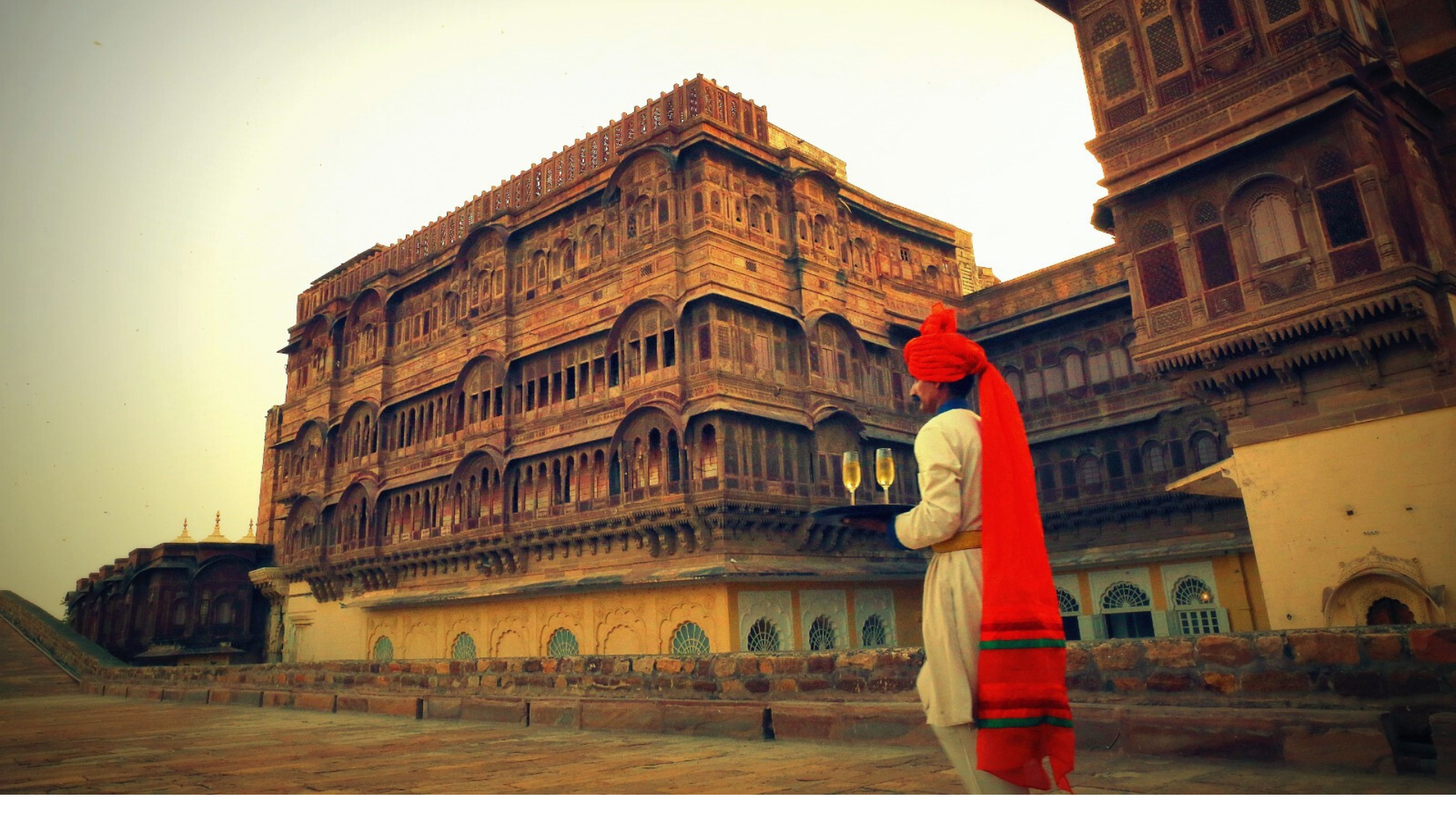
The true boundary of AI in luxury travel is not logistics. It is accountability.
A system can propose an itinerary. It cannot carry the consequences when something shifts.
- When a monument closes unexpectedly.
- When weather alters access to a landscape.
- When a guest needs quiet rather than another highlight.
- When timing turns an iconic moment into a stressful one.
The same gap appears well before a journey even begins.
AI may indicate that a visa is required. It does not guide travellers through which visa category applies, prompt them to check validity timelines, or flag the importance of travelling on the same passport used during the application.
These details matter. They have real consequences. Instances where a traveller applied for a visa on one passport and arrived at the airport with another are not theoretical. They are lived realities.
This is where human intervention protects journeys long before the first arrival.
Travel Scope’s own writing says it plainly:
a creative itinerary can fail without coordinated ground logistics and human interpretation.
AI does not apologise. It does not notice strain in a guest’s voice. It does not choose the softer entrance, the later start, the quieter route.
Responsibility is not an algorithmic function. It is a human one.
8. The invisible craft of subtraction

One of the defining traits of well-designed luxury travel is that its most important decisions are invisible.
Human curators not only add experiences. They subtract them.
Sometimes this means removing an iconic ceremony because it would tip a journey into exhaustion. Sometimes it means choosing one town instead of three. Sometimes it means allowing silence to do the work.
Guests rarely notice what was taken out. They only feel the result.
They describe the journey as calm. As balanced. As unusually present.
This is not accidental. It is the result of judgment.
Luxury is not built through accumulation. It is built through restraint.
9. Where planning ends and responsibility begins
Much of the conversation around AI in travel centres on personalisation. Preferences. Interests. Behaviour.
But luxury has always depended on interpretation, not just personalisation.
A traveller might say they love culture. That statement can mean many things. Intellectual depth. Spiritual immersion. Aesthetic appreciation. Quiet observation.
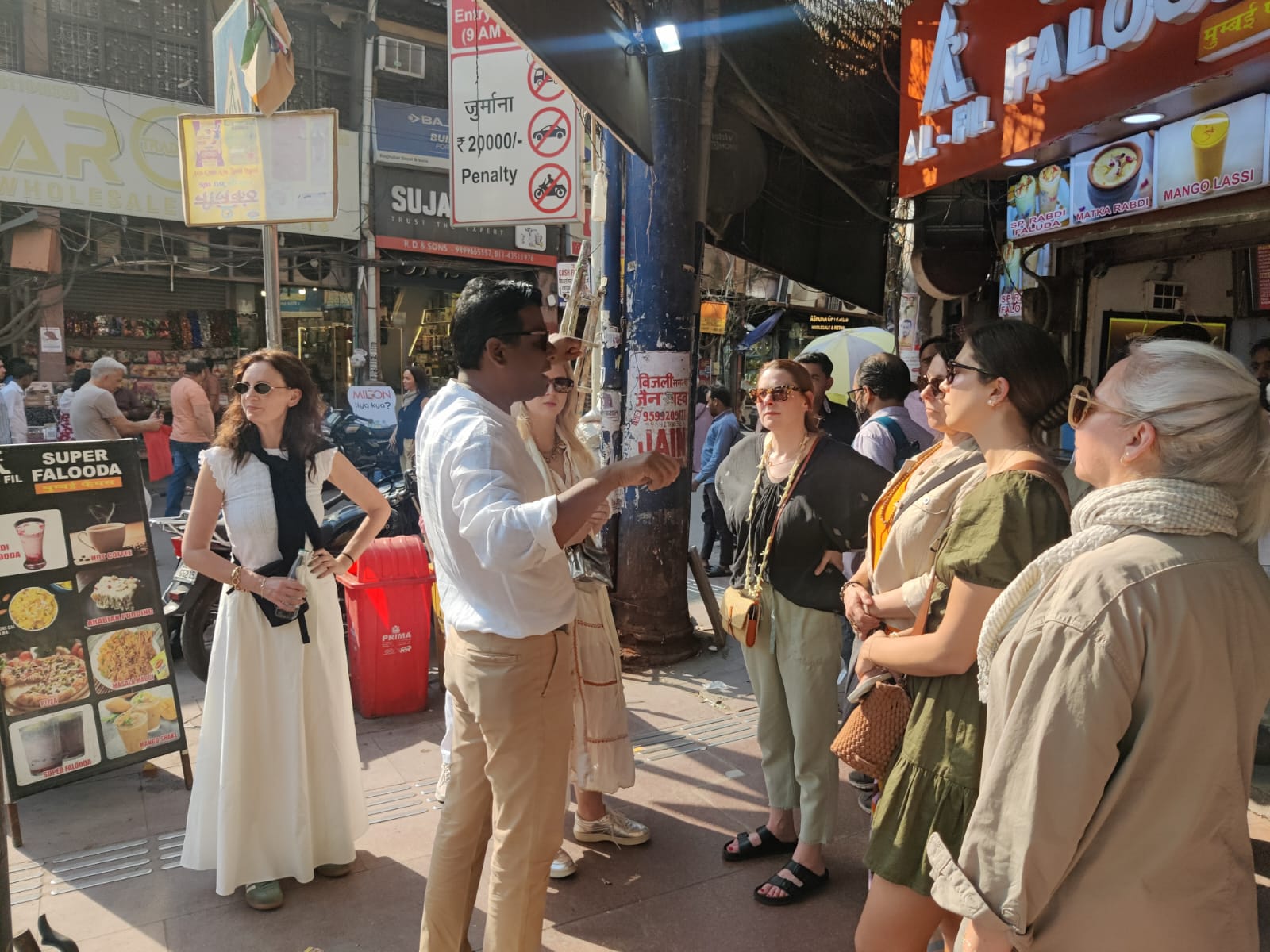
A human curator interprets. They decide how much is enough. They understand when culture needs context and when it needs space. They recognise when stillness will deepen understanding more than another site visit.
Interpretation is relational. It cannot be automated.
Another layer that rarely appears in algorithmic planning is the human network behind a journey.
The selection of drivers, guides, naturalists, and local partners is not incidental. It is the result of years of collaboration, trust-building, and shared standards. These individuals are not interchangeable resources. They are living assets who carry the brand in real time.
The importance of these human relationships becomes clearest in how guests actually experience them.
On a recent journey with Travel Scope, the driver assigned to the guests became one of the most defining elements of the trip. Beyond technical skill, it was his calm presence on unfamiliar roads, his punctuality, his quiet confidence, and his ability to step in with local knowledge when needed that shaped how safe and at ease the travellers felt. For first-time visitors, especially those navigating India’s intensity for the first time, this kind of reassurance changed the emotional texture of the journey. The vehicle was always immaculate. Mornings began without friction. Long drives felt restful enough that the guests could truly arrive, not simply move.
This is not a detail that appears in planning tools or rankings. It emerges from years of choosing people carefully, working with them consistently, and trusting them to represent the brand in moments that matter. Such outcomes cannot be generated on demand; they are built slowly, through relationship and responsibility.
No dataset recommends a person like this. Such relationships are built slowly, through consistency and care.
10. Why the future of luxury travel becomes more editorial, not less

As AI makes itinerary-building easier, the value migrates upward, from assembling to authoring.
The winning luxury brands won’t compete on:
- “we can plan it”
- “we have access”
- “we know the hotels”
They’ll win on:
- point of view
- restraint
- ethical choices
- how the journey feels
Even Travel Scope’s ”commitment” section frames this as values, not optics: reducing single-use plastic and eliminating activities involving working animals.
That’s not an itinerary feature. That’s editorial philosophy.
11. Conclusion: AI can draft. It cannot take responsibility

AI can plan luxury travel. It can do so impressively, efficiently, and at scale.
But luxury is not defined by the plan.
It’s defined by:
- whether moments were allowed to breathe
- whether cultural depth replaced cultural consumption
- whether wildlife became presence, not pursuit
- whether someone protected your attention when you didn’t know you needed it
In a world where planning becomes effortless, responsibility becomes the rarest luxury of all.
This is where human curation truly begins.
Journeys shaped with intention and held with care are where Travel Scope belongs. When you are ready to begin, contact us.
FAQ
Q1. Can AI really plan a luxury trip to India?
AI can create a well-structured travel plan for India by suggesting routes, hotels, and popular experiences. However, luxury travel in India often depends on timing, local judgment, and cultural sensitivity, areas where human curators add depth by adapting plans to real conditions on the ground.
Q2. What are the limitations of AI in luxury travel planning?
AI relies on patterns, reviews, and commonly repeated information. It struggles with real-time decision-making, sensory pacing, and situational judgment, such as adjusting schedules due to fatigue, weather, or unexpected changes, factors that significantly shape high-end travel experiences.
Q3. Why is human curation important for luxury travel in India?
India’s diversity demands interpretation. Human curators understand when to slow a journey, how to balance cultural immersion with rest, and how to personalise experiences beyond lists and rankings. This ensures journeys feel meaningful, not rushed or generic.
Q4. How does human expertise improve experiences like wildlife safaris or cultural tours?
Experienced planners protect attention by avoiding over-scheduling. In wildlife travel, this might mean fewer safaris with better pacing. In cultural journeys, it could involve choosing context-rich experiences over crowded highlights, decisions guided by judgment, not algorithms.
Q5. Is AI useful at all for planning luxury travel?
Yes. AI is valuable in the early discovery phase, helping travellers explore possibilities and structure ideas quickly. The strongest luxury journeys often emerge when AI-assisted planning is paired with human insight, accountability, and on-ground expertise.
