
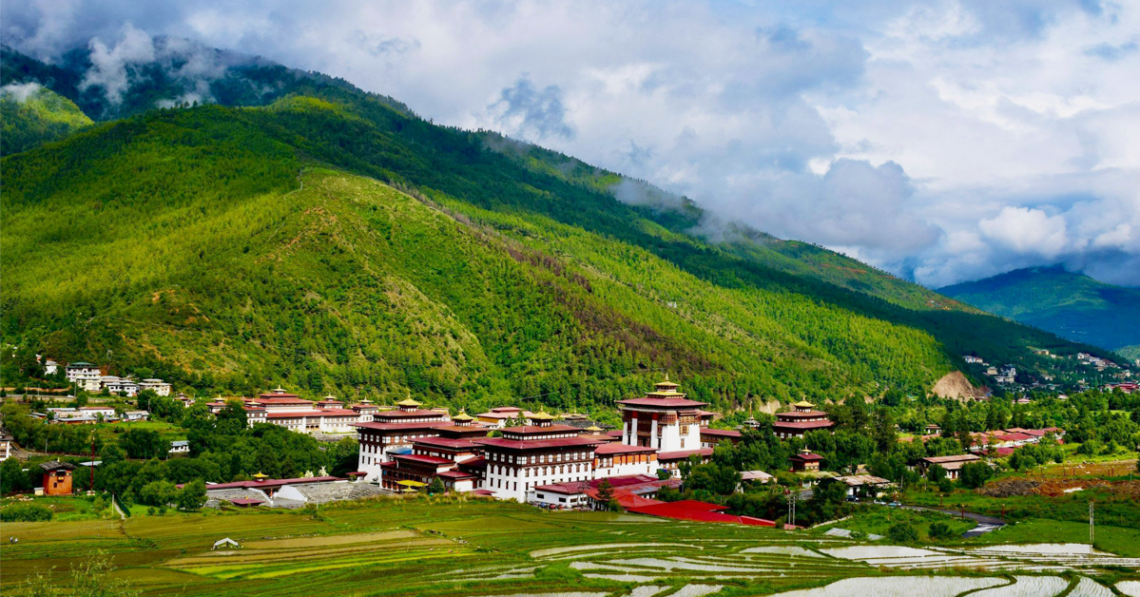
Ask travellers how they describe Bhutan, and a pattern begins to emerge.
They speak of stillness, of space, of a sense of calm that feels increasingly rare across global travel. They describe it as spiritual, untouched, and distinctly different from other Asian destinations, and what sets this tone? It is a perception shaped with intent, guided by the way the country has chosen to open itself to the world.
Bhutan sits within the eastern Himalayas, approached most seamlessly through India and Nepal, with well-connected flights into Paro forming the primary gateway. It is a kingdom that chose to measure progress through wellbeing long before it became a global conversation. It is one of the few countries in the world where forest cover is protected by law, where development is guided by a philosophy of Gross National Happiness, and where tourism is designed with restraint. Bhutan opened itself to international travellers only in the 1970s, and even today, entry is governed by a system that prioritises cultural preservation and environmental balance. The result is a destination that has retained its architectural identity, its spiritual framework, and a way of life that feels continuous.
Bhutan follows Vajrayana Buddhism, a form of Mahayana Buddhism that conditions far more than belief, extending into governance, education, and daily life, as well as how the landscape itself is understood. The country historically functioned under a dual system known as Chhoe-Sid, where spiritual and temporal authority operated together, a structure that continues to influence institutions today, with the architecture or dzongs still housing both monastic bodies and administrative offices within the same complex. Monasteries remain active centres of learning, where young monks enter early and spend years studying philosophy, scriptures, and ritual practices, with debate forming a core part of their disciplined training.
Bhutan is a country where travellers often arrive with curiosity, and leave with clarity. The absence of density, both visual and human, becomes immediately apparent. Planning Bhutan, therefore, requires a different lens, which the usual markers of luxury do not apply in the same way.
This is precisely where a luxury Bhutan travel planning guide becomes relevant.
At Travel Scope, the philosophy of Luxury in Discovery guides how journeys are shaped across India and the subcontinent, and Bhutan forms a natural extension of that expertise. The country demands design that understands pace, access, and cultural depth, and this blog brings together what truly matters when planning Bhutan for luxury clients. From defining what luxury means here to how journeys should be structured, and can be extended beyond.
1. What Luxury Means in Bhutan
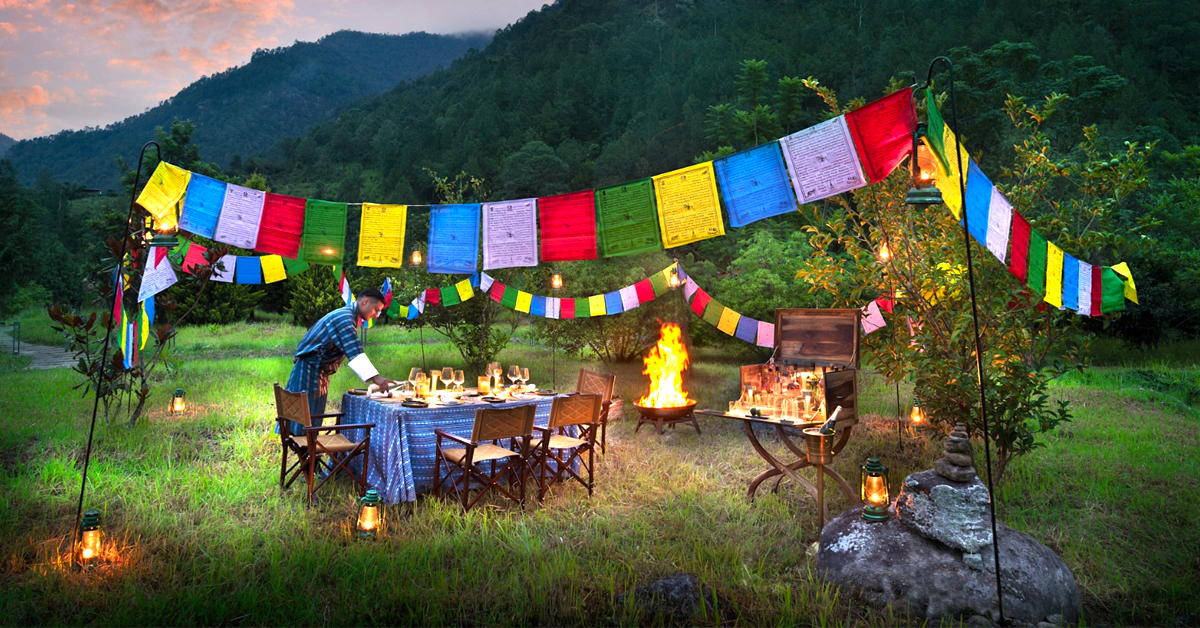
Luxury in Bhutan begins with understanding what the country has chosen to protect.
Bhutan is the world’s only carbon-negative country. Its forests absorb more carbon than the nation produces, supported by hydropower, strict environmental policies, and a constitutional requirement to maintain forest cover above 60%. This commitment is visible everywhere. Valleys remain uninterrupted, and forests extend across hillsides without fragmentation. Air quality feels noticeably different.
The country’s tourism philosophy follows the same logic. Bhutan operates on a “high value, low impact” model. Therefore, travel in Bhutan follows a structured system. Entry is arranged through a recognised travel company, with permits, accommodation, and movement planned in advance. This allows the country to manage visitor flow with intent, maintaining a balance between access and preservation. The Sustainable Development Fee contributes to healthcare, education, and conservation. Travellers understand this when explained with clarity, and their presence supports a system designed to preserve cultural and environmental integrity.
Luxury, in this context, is defined by access to a country that has retained its identity. It is found in the silence of a monastery courtyard. It is felt in the absence of crowds along a mountain trail. It is experienced through interactions that are genuine and unmediated. Travellers arrive with a range of expectations. Some carry a reference point shaped by city hotels and global hospitality brands, others arrive with curiosity and a willingness to engage with something unfamiliar. Bhutan offers comfort, privacy, and deeply rooted cultural experiences, and these elements define a luxury journey here.
2. Getting to Bhutan
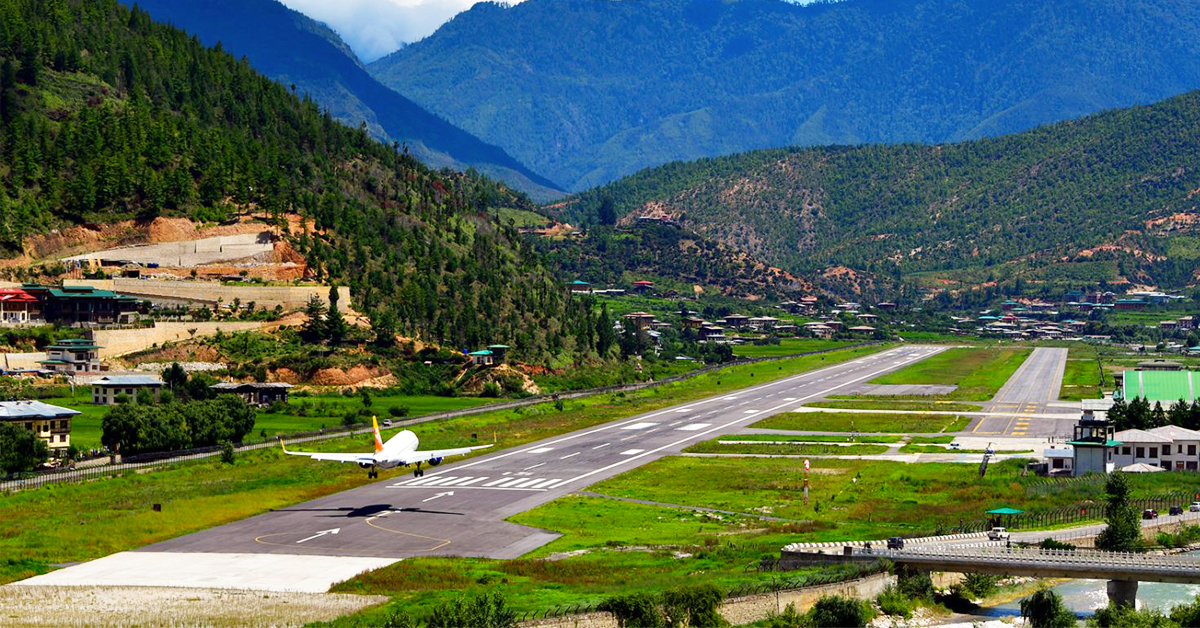
Bhutan is accessed through Paro, the country’s only international airport, set within a narrow Himalayan valley. Direct flights connect Paro with key regional gateways in India, including Delhi, Kolkata, Guwahati, and Bagdogra, along with Kathmandu in Nepal. These routes form the primary points of entry, making Bhutan accessible while maintaining a measured pace of travel. Select international connections, including Bangkok, Dubai, and Singapore, operate on a more limited or seasonal basis.
For those travelling overland, the southern entry point at Phuentsholing connects Bhutan to eastern India, with onward journeys into Darjeeling, Gangtok, and Assam, where the landscape continues to reflect the Himalayan region.
3. Where to Stay
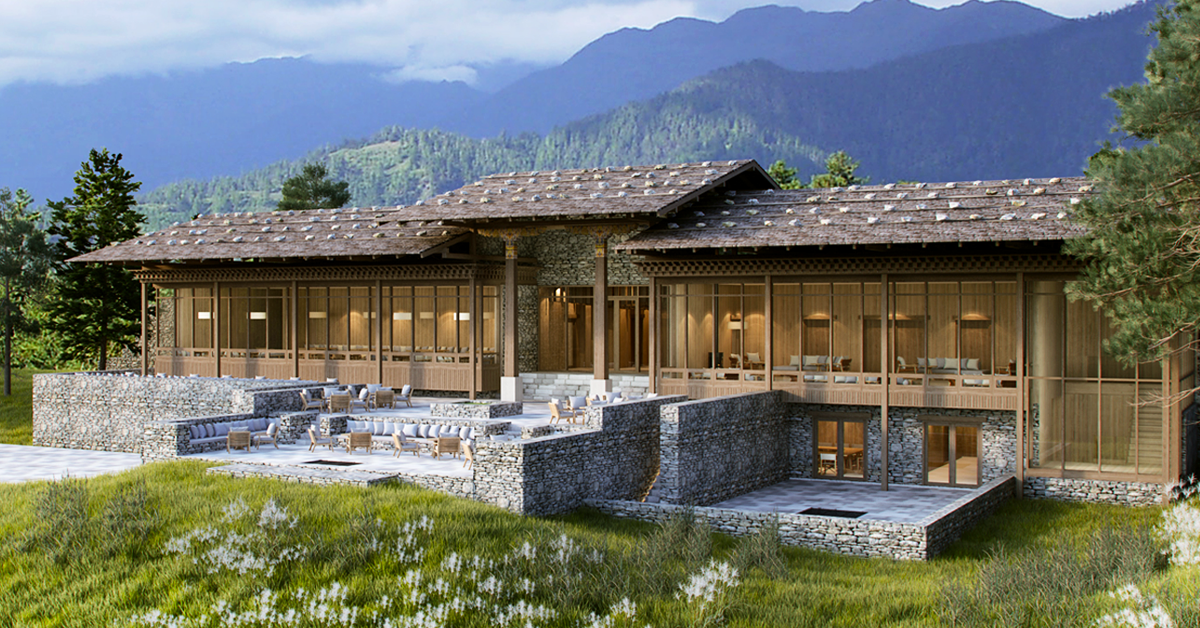
Accommodation in Bhutan is often the first point of evaluation for a luxury traveller, and it is also where clarity matters the most. The country offers a considered range, from globally recognised lodges such as Amankora and Six Senses, both present across Thimphu, Gangtey, Punakha, and Paro, to well-regarded boutique properties and heritage-style stays that bring a stronger sense of place.
This range allows the journey to shift naturally across regions.
In Paro and Thimphu, stays offer comfort and access, positioned close to key cultural sites while maintaining Bhutan’s architectural continuity. As the journey moves into Punakha, the landscape opens out and the pace softens, with properties often set along rivers or within agricultural surroundings.
& Beyond Punakha River Lodge reflects this well, where the setting draws the experience outward into the valley.
Gangtey carries a quieter presence. The Phobjikha Valley opens wide, and stays here feel more immersed in the landscape. Gangtey Lodge is particularly well placed, overlooking the valley in a way that brings attention to light, weather, and season.
For those travelling further into Bumthang, the experience becomes more personal and rooted in spiritual life. Properties such as Amankora Bumthang or Six Senses Bumthang reflect this shift, where simplicity and connection to the region take precedence.
The key lies in alignment. Each stay is selected to match the pace of the journey and the intent of the traveller, allowing the experience to move with clarity from one valley to the next.
4. Experience vs Property Led Journey Balance
Bhutan is often introduced through its monasteries, and the imagery is strong and widely recognised. Prayer flags, cliffside temples, and fortress-like dzongs form a visual identity that draws travellers in. The journey becomes meaningful when it moves beyond this initial layer.
The following experiences reflect how Travel Scope approaches Bhutan, each chosen for how naturally it fits within the landscape and the journey itself:
-
Scenic hikes and nature walks:
From the ascent to Tiger’s Nest to quieter trails across valleys and forests, including the Gangtey Nature Trail, where moments such as lighting one hundred butter lamps at Khewang Lhakhang add a layer of stillness and reflection. -
Local markets and artisan interactions
Engagements that bring forward Bhutan’s living craft traditions, offering a closer understanding of daily life through its materials and interactions within the community. -
Traditional hot stone bath experiences
A restorative practice rooted in Bhutanese culture, available across regions in farmhouses and hotels, each offering a slightly different setting and experience. -
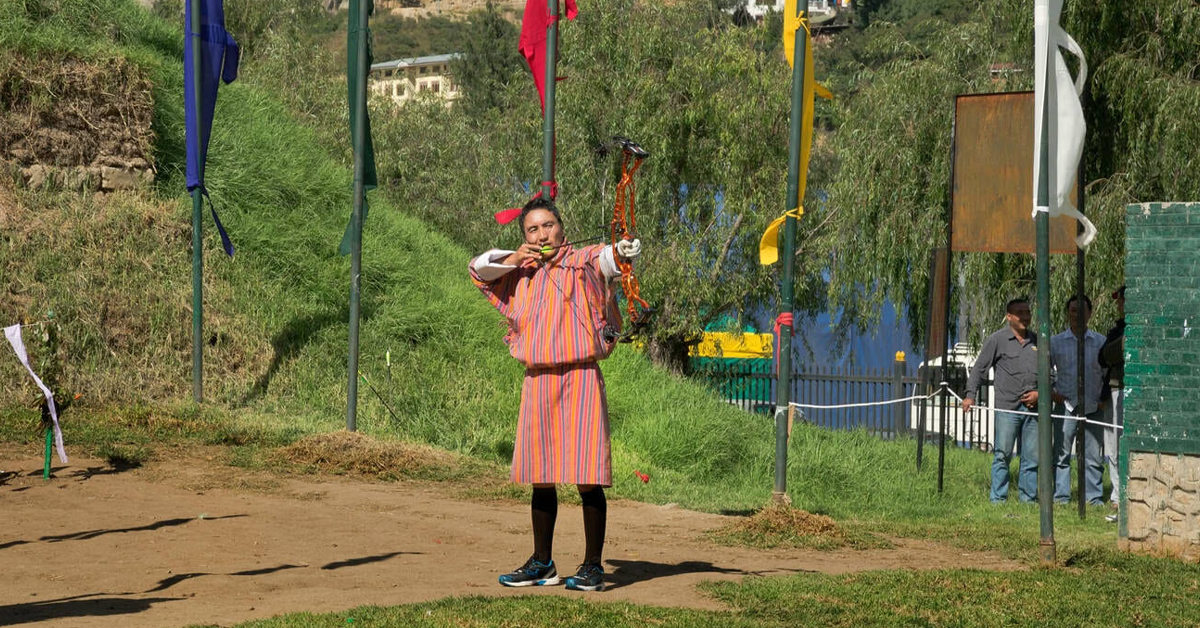
Archery experiences
Bhutan’s national sport, experienced in Paro, Bumthang, and Gangtey valleys, where the setting moulds the interaction within its cultural context. -
Riverside walks and soft adventure
Particularly in Punakha, where the river becomes part of the journey through walks, seasonal rafting, and certain stillness such as sundowners by the water. -
Elevated cultural moments
Experiences such as the hike to Khamsum Yuelley Namgel Chorten, followed by a thoughtfully arranged breakfast overlooking the valley, create a moment where the setting and the time of day feel naturally aligned.
These experiences define how the journey moves from one moment to the next. Accommodation supports this tempo, offering comfort and a strong sense of place, while the experiences themselves create continuity and a deeper connection to the destination.
5. Seasonal Festivals and Cultural Cadence
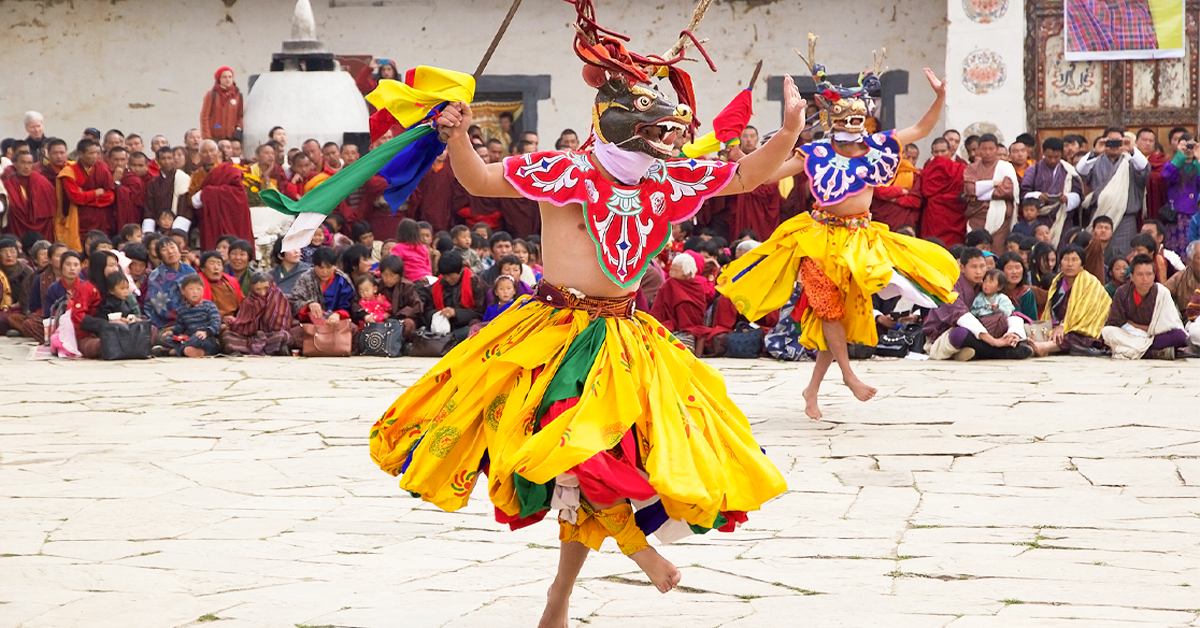
Bhutan’s festivals carry both spiritual and social significance. These festivals, known as tsechus, take place across valleys throughout the year celebrating Guru Rinpoche. They are lived traditions, where communities gather in monastery courtyards for masked dances, known as Cham and rituals that bring people together in shared celebration. At certain moments, large silk appliqués known as thongdrol are unveiled, to bestow blessings.
The experience shifts across regions, each carrying its own setting and scale:
- Paro: The Paro Tshechu in spring draws large gatherings, with the early morning unveiling of the thongdrol holding particular significance.
- Thimphu: The Thimphu Tshechu takes place at Tashichho Dzong, where the setting and variety of performances bring a strong sense of occasion.
- Punakha: The Punakha Tshechu and Drubchen include historical re-enactments alongside masked dances, reflecting the region’s past.
- Bumthang: Festivals such as Jambay Lhakhang Drup and Jakar Tshechu remain closely tied to local life, with rituals continuing within the community.
- Gangtey: The Gangtey Tshechu and the Black Necked Crane Festival align with the seasonal movement of the valley.
5.1. When to Experience?
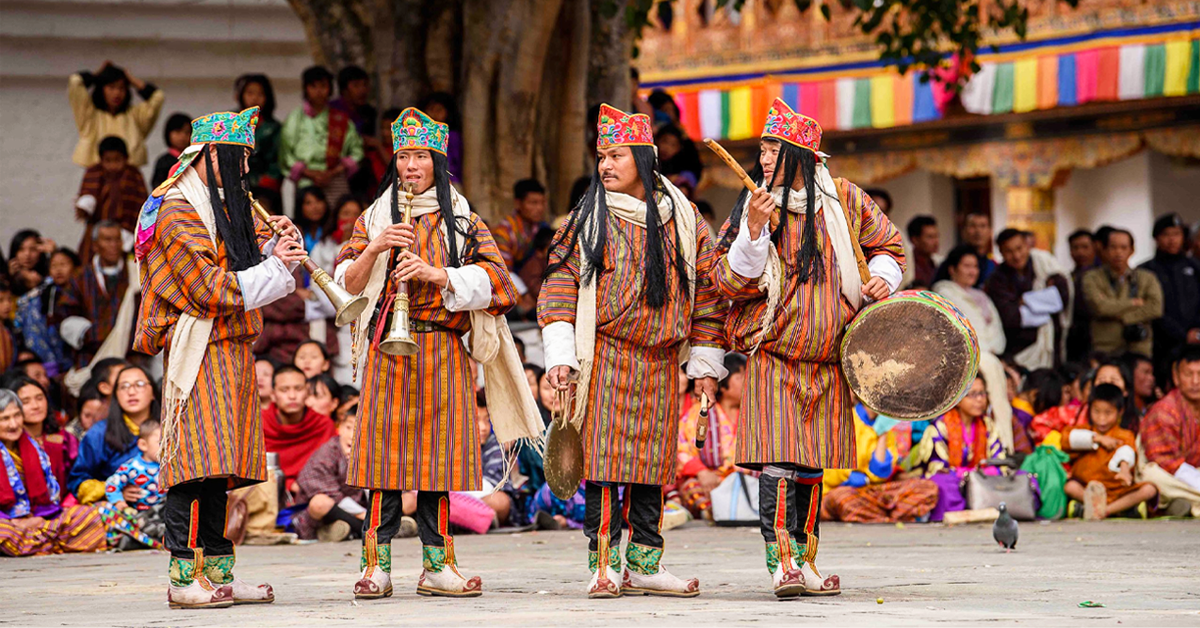
Most tshechus take place in spring and autumn, following the 10th day of the Tibetan lunar calendar, with dates varying each year. Spring brings festivals such as Paro Tshechu and Punakha Tshechu, often set against clear skies and active valley life. Autumn sees Thimphu Tshechu, one of the most widely attended, along with several regional gatherings. Bumthang’s Jambay Lhakhang Drup introduces a different atmosphere, and one of the most distinctive elements is the Mewang (fire ceremony), which takes place after dark. Gangtey’s seasonal celebrations align with the arrival of the black-necked cranes, which are regarded by locals as more than migratory birds. They are seen as symbols of prosperity, longevity, and a quiet balance between the land and its people. Local belief holds that the birds circle Gangtey Monastery three times on arrival and again on departure, as part of a ritual observed over time.
Travelling during these periods requires early planning, though it offers a view of Bhutan that feels closely connected to its people and traditions.
6. Bhutan on the Plate
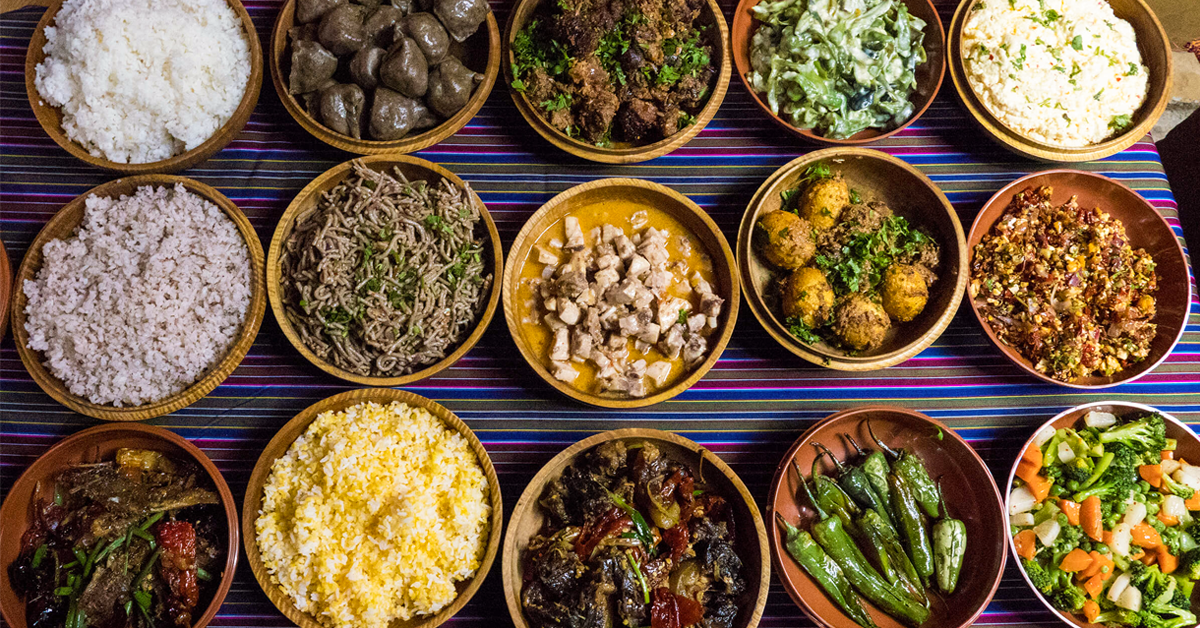
Food in Bhutan carries the same sense of honesty that defines the country.
The cuisine is sculpted by local produce, altitude, and tradition. It feels direct, grounded, and expressive of place. Chillies form the foundation of Bhutanese cooking. They are treated as a main ingredient, giving dishes their characteristic intensity. Ema datshi, the national dish, combines chillies with cheese in a preparation that is both simple and deeply satisfying.
Red rice accompanies most meals, grown in the valleys and known for its nutty flavour. Meat dishes, including pork with radish and chicken prepared with garlic and butter, add depth, while vegetable preparations reflect seasonal availability.
Momos appear frequently, offering a familiar form with regional nuance. Dining in Bhutan often extends beyond the plate. Meals may be experienced within lodges, in village homes, or at farmhouses where hospitality feels immediate and personal.
7. Acclimatisation and the Art of Slow Travel
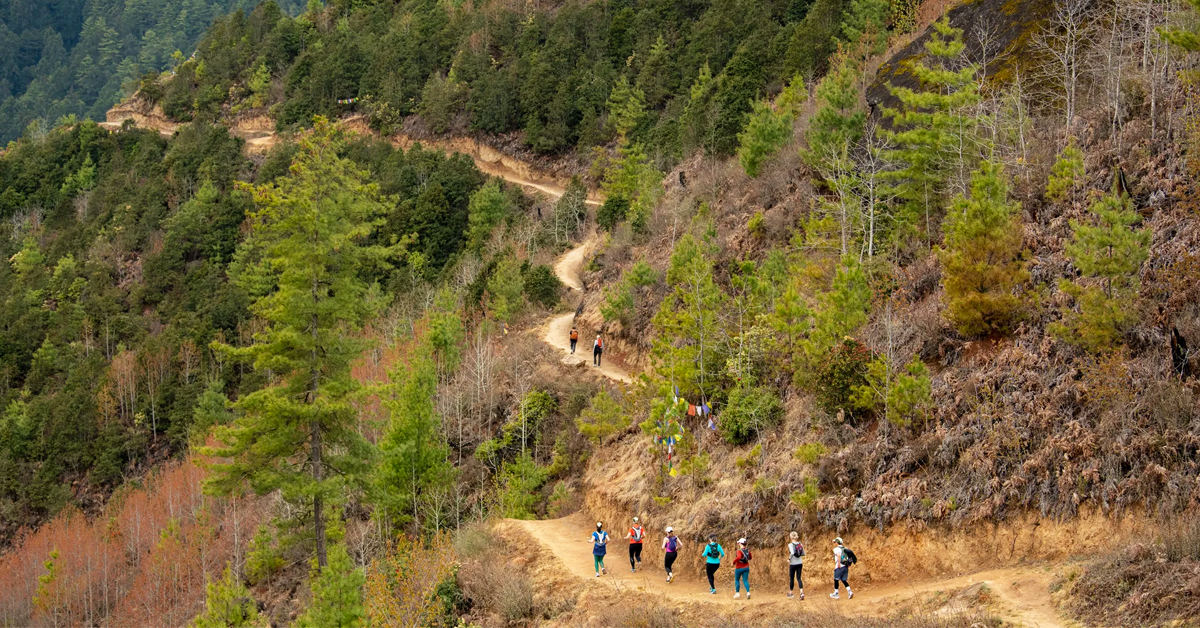
Bhutan calls for a measured approach, where the journey evolves in response to its changing landscape and conditions, shaping how it is best planned. A considered itinerary allows the traveller to settle into the country, both physically and mentally.
The following principles guide how Travel Scope approaches acclimatisation within Bhutan:
-
Gradual altitude progression
Paro and Thimphu sit above 2,000 metres, with Gangtey and Bumthang rising further. Movement between valleys is structured to allow the body to adjust naturally, without abrupt shifts. -
Pacing across days
Early days are kept lighter, allowing travellers to ease into the environment. Experiences build gradually in intensity as the journey progresses. -
Balanced daily flow
Active elements such as hikes are complemented with slower experiences, including village walks, cultural visits, and time within the property. Journeys can be curated according to fitness levels and interests in active experiences. -
Time as a design tool
Drives are not compressed. Distances are experienced as part of the journey, allowing the landscape to transpire rather than pass by. -
Rest and recovery built into the plan
Evenings remain leisurely, with time left open for rest, and a natural adjustment to the pace of the journey. -
Seasonal awareness
Climate and altitude interplay differently across months. The journey is aligned accordingly to maintain comfort and continuity.
This approach ensures that the traveller remains present throughout, able to engage with each layer of the experience without fatigue.
8. What a Classic Travel Scope Journey of Bhutan Looks Like?
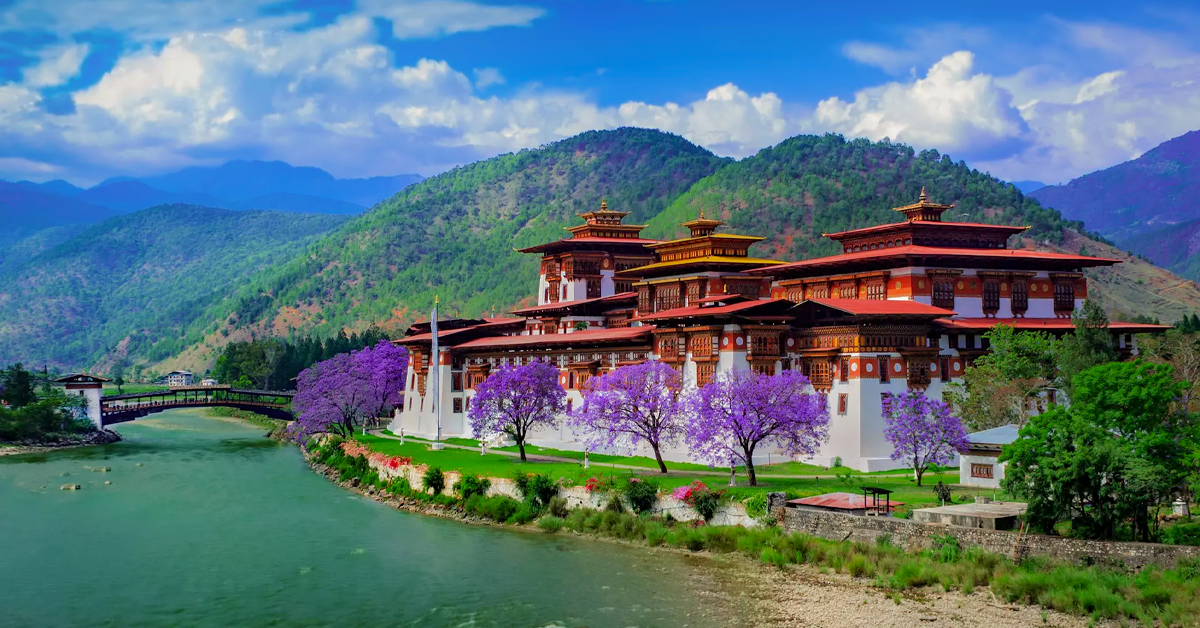
A journey through Bhutan follows a quiet progression of moods. Each valley introduces a distinct shift in how the experience is felt.
-
Arrival | A sense of entry
Paro makes an instant impression on arrival, with mountains drawing close around the valley and a clarity in the air that naturally slows the pace, allowing the journey to begin with a quiet sense of presence. The landing at Paro Airport adds to this experience, as the flight moves over Himalayan peaks before entering the valley, with the runway appearing toward the end of the approach, making it both precise and striking, set within mountains rising to nearly 18,000 feet. -
Early days | Orientation
Paro and Thimphu introduce the language of Bhutan, where prayer flags stretch across ridgelines and wooden facades carry intricate detailing. Monastery courtyards hold a steady pulse, and daily life unfolds through small, consistent moments that feel grounded and composed. -
Mid-journey | Space
Gangtey opens the landscape. The valley stretches wide, and the surroundings feel expansive and discreet. Walks take shape across open terrain, while moments such as lighting 100 butter lamps at a small temple in Khewang Lhakhang along the Gangtey Nature Trail bring a natural sense of pause and reflection. -
Further along | Ease
Punakha brings warmth into the journey. The air softens and the landscape begins to follow the course of the river, with days evolving in a natural flow. A hike to Khamsum Yuelley Namgel Chorten leads into a breakfast overlooking the valley, afternoons ease by the water, and evenings settle with sundowners along the Punakha river. -
Extension | Depth
Bumthang adds a deeper layer to the journey. The valleys feel more interior, and as the journey moves through places like Trongsa, set along steep slopes overlooking a deep river gorge, the surroundings carry a quiet sense of history. The town has long held significance in shaping the country, and that presence gradually comes into view. Here, cultural encounters feel more grounded, and the experience becomes quieter and more reflective. -
Return | Familiarity with clarity
Paro, toward the end, carries a different familiarity. The valley feels known, and the landscape begins to read with greater understanding, bringing a sense of completion to the journey.
If Bhutan is experienced through this sequence, it stays as a series of impressions that continue to recount even after it ends.
9. When Clients Want More After Bhutan
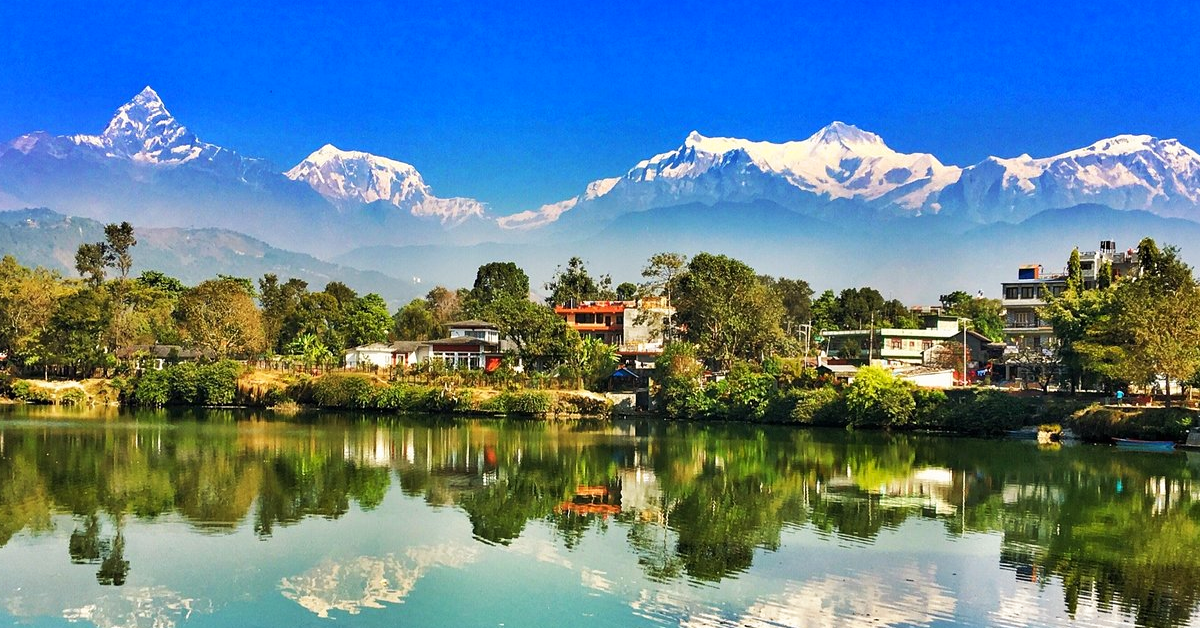
Bhutan often leaves travellers with a sense of completeness, however, it also creates a curiosity for what lies beyond. Many travellers begin to ask for a continuation, and the transition into India comes naturally if it is designed with intention.
A Bhutan journey can extend easily into the subcontinent. Nepal offers a natural continuation through the Himalayas, with a shift in culture and setting. Varanasi and Bodhgaya bring a deeper engagement with spiritual traditions, where daily rituals and sacred sites form the centre of the experience. For a more conventional extension, the Golden Triangle introduces India’s architectural and historical depth, where Delhi, Agra, and Jaipur bring a distinct scale and narrative to the journey.
The transition should feel seamless, and the traveller should experience a shift in scale without losing the sense of coherence that Bhutan establishes, and this is where subcontinent expertise becomes critical, and Travel Scope as a Design Thinker comes into place.
10. Things to Keep in Mind While Planning Bhutan
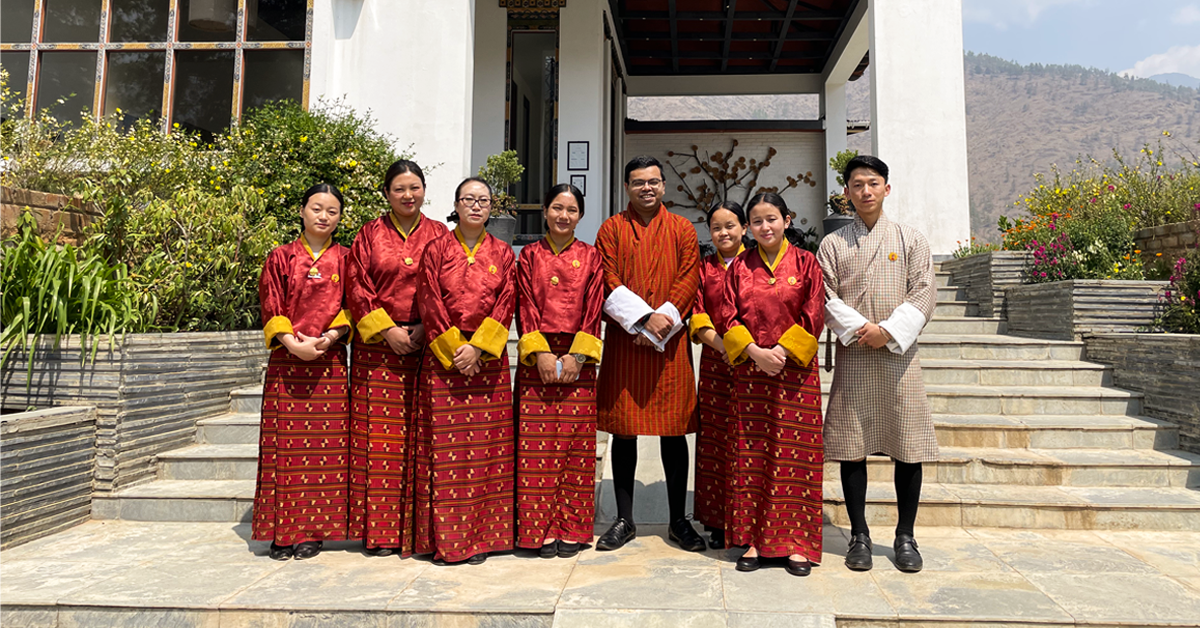
Bhutan benefits from a structured approach to planning, however, the journey feels most cohesive when a few key principles are held throughout:
- Fewer valleys, explored with depth, create a stronger experience than extensive movement across regions.
- Each region adds a distinct layer, and should be positioned with intent within the overall journey.
- Seasons shape more than weather, they influence the landscape and cultural activity across the country.
- Guides play a central role in shaping how travellers engage with the destination.
- Experiences require balance, activity and pause should be sequenced thoughtfully.
- Advance planning is essential, permits, flights, and accommodations are regulated and require prior arrangement.
For journeys shaped with this level of intent and understanding, Travel Scope brings a considered approach to designing Bhutan alongside the wider subcontinent.
To begin planning or to explore how this can be shaped for your clients, connect with the Travel Scope team.
FAQ
Q1. What is the ideal duration for a luxury Bhutan journey?
A well-paced journey in Bhutan usually works best with a minimum of 8 nights, especially for Paro, Thimphu, and Punakha. A longer journey of 10 to 12 nights allows room for places such as Gangtey or Bumthang, where the experience benefits from a slower pace and longer overland movement. This is a planning recommendation, not an official rule, though it aligns well with commonly offered Bhutan journeys that range from one week to around ten days.
Q2. What does luxury travel feel like in Bhutan?
Luxury in Bhutan is defined by a sense of space and privacy, with experiences that feel considered and deeply connected to the place. It is reflected in quiet landscapes, stays that sit naturally within their surroundings, and cultural interactions that carry meaning. Properties offer comfort and attentive service, while the journey itself is shaped by pace, access, and how each experience is thoughtfully placed within the itinerary.
Q3. When is the best time to travel to Bhutan?
Bhutan is officially positioned as a year-round destination. Spring runs from March to May, summer from June to August, autumn from September to November, and winter from December to February. Autumn is one of the most popular periods because of pleasant weather, while spring is known for clear conditions and seasonal bloom. Summer brings rain, though the official tourism guidance notes that it often falls for only a few hours a day, followed by warm days and cool nights.
Q4. How does the Sustainable Development Fee (SDF) impact travel in Bhutan?
The Sustainable Development Fee is set at USD 100 per person per night (valid until August 2027, subject to review). This fee contributes to Bhutan’s environmental conservation, infrastructure, healthcare, and education systems. For travellers, it supports a tourism model that prioritises quality, sustainability, and cultural preservation.
Q5. What kind of experiences can be included in a luxury Bhutan itinerary?
A luxury Bhutan journey includes a curated mix of cultural, natural, and experiential elements:
- Scenic hikes, including Tiger’s Nest and valley trails
- Interactions with local artisans and visits to markets
- Traditional Bhutanese hot stone bath experiences
- Archery sessions in Paro, Gangtey, or Bumthang
- Riverside walks and seasonal rafting in Punakha
- Private dining and lodge-led experiences in unique settings
- Attending a festival
- Interaction with experts on GNH
- Riverside sun downers, Picnic Breakfast / Lunches
- Meditation with Monks in Monastic Schools
- Butter Lamp Ceremonies at small temples
- Spa Treatments in the branded properties
Each experience is placed within the journey to align with location, pace, and overall flow.
